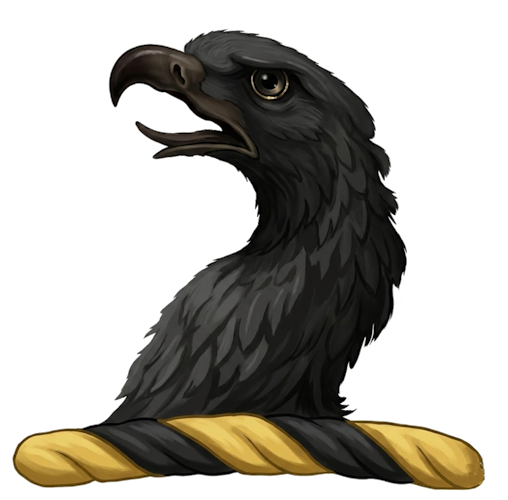
The crest on Plate 6, Crest 12 (Pl. 6. cr. 12, Pl. 6. 12, or Pl. 6. c. 12) is described primarily as an eagle’s head (often couped or erased), though a few variations such as a pelican or martlet appear for specific families in the source text.
Surnames Associated with this Crest
- Aubrey (Buckinghamshire)
- Byme (England)
- Campbell (Scotland)
- Challeng (Gloucestershire)
- Daliender (Suffolk)
- Daliender (Surrey)
- Diggs (Kent)
- Diggs (Wiltshire)
- Dioge (Surrey)
- Dyges (Kent)
- Dyges (Surrey)
- Dyges (Wiltshire)
- Gom (Scotland)
- Gome (Scotland)
- Gorry (Scotland)
- Graham (Scotland)
- Macklin (England)
- M’Lin (England) [
- M’Leod (England)
- Merydale (Buckinghamshire)
- Monro (Scotland)
- Murray (Scotland)
- Oughton (England)
- Rawinson (England)
- Redhead (England)
- Roleston (Nottinghamshire)
- Rolleston (Derbyshire)
- Rolleston (Staffordshire)
- Rosher (England)
- Sideserf (Scotland)
- Sleigh (Scotland) [
- Smithers (England)
- Vaux (Bedfordshire)
- Wexthem (Yorkshire)
Symbolism of the Crest Eagle’s Head: The eagle is revered in heraldry as the king of birds, representing strength, bravery, and keen intellect. The head specifically focuses on the eagle’s quick-wittedness and sharp vision. Erased/Couped: When the head is “erased” (having a jagged edge), it often signifies that the head was torn from the body, a symbol of strength and victory in battle. Rays: In variations where the head issues from rays (like Macklin), it symbolizes glory, divine inspiration, or enlightenment.
General Symbolic Meanings The eagle is a symbol of a person of action, one of high intellect, and of quick-wittedness. It signifies a man of action, occupied with high and weighty affairs. The variation of the martlet (seen in Monckton) represents one who subsists on wings of virtue and merit, having no land to rest on (often associated with younger sons).