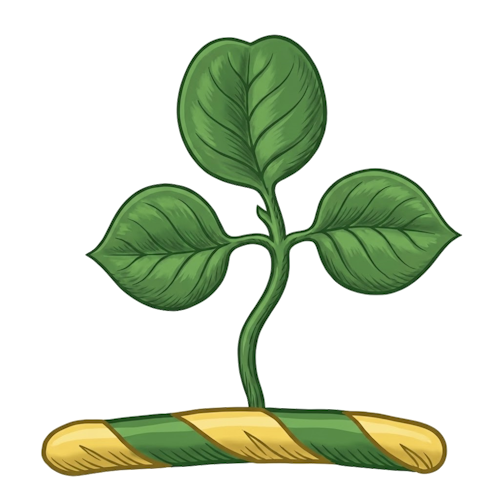
a trefoil, typically slipped (with a stalk)

The crest on Plate 7, Image 12 (Pl. 7. cr. 12.) is described as a trefoil, typically slipped (with a stalk), appearing as a three-lobed leaf often associated with clover.

Surnames:a trefoil, typically slipped (with a stalk)
  • Aphery (England)
  • Conyers (Horden, Durham)
  • Conyers (Essex)
  • Conyers (Northamptonshire)
  • Falconer (London) 
  • Harvey (Scotland) 
  • Harvie (Broadly) 
  • Hervey (Broadly)
  • Marishall (Clothoderick)
  • Marshal (Queensburgh)
  • Wanton (Stoughton, Norfolk) 
  • Wanton (Great Yarmouth, Norfolk)
  • Wauton (England) 

Symbolism Trefoil: The trefoil, a three-leaved grass or clover, is a symbol of perpetuity and long-lasting duration. Because of its three leaves, it is frequently used in heraldry to represent the Holy Trinity, signifying religious faith. Slipped: This term denotes that the trefoil is depicted with a stalk, as if plucked from the earth, representing freshness and vitality. Vert (Green): When depicted in its proper color or vert, it signifies hope, joy, and loyalty in love.

General Symbolic Meaning The trefoil serves as an emblem of hope and endurance. It suggests a family or individual grounded in faith (alluding to the Trinity) and characterized by a joyfulness and loyalty that remains fresh over time. The motto associated with several families in this group, Semper virescit virtus (“Virtue always flourishes”), reinforces the idea of moral excellence remaining vigorous and evergreen.
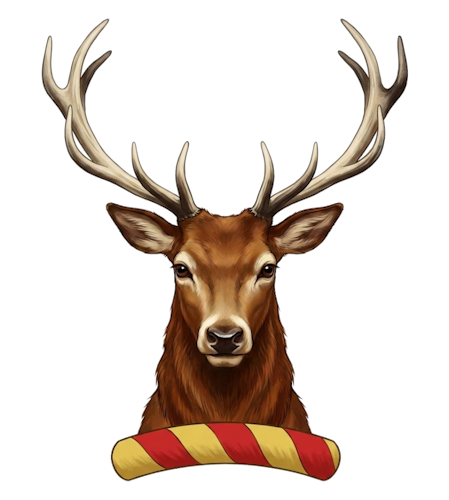
a buck’s (or stag’s) head cabossed (full-faced, with no neck visible)

The crest on Plate 7, Image 11 (Pl. 7. cr. 11.) is described as a buck’s (or stag’s) head cabossed (full-faced, with no neck visible), often described with specific tinctures (colors) depending on the family.

Surnames: a buck's (or stag's) head cabossed (full-faced, with no neck visible)

  • Anne (Trickley, Yorkshire)
  • Aveneyle (England)
  • Bipleam (England)
  • Bucknall (England)
  • Calder (Lyneger)
  • Clare (Dabiton, Worcestershire)
  • Crozier (England)
  • Doyley (Shotsham, Norfolk)
  • Friend (England)
  • Griffith (Ap, England)
  • Hay (Edinburgh)
  • Lacy (Beverley, Yorkshire)
  • M’Kenzie (Edinburgh)
  • Matrevers (England)
  • Nisbet (England)
  • Park (Scotland)
  • Penman (England)
  • Poole (England)
  • Poole (Devonshire)
  • Poole (Sapperton, Gloucestershire)
  • Poole (Oakley, Wiltshire)
  • Pount (Scotland)
  • Raynsford (England)
  • Skyrme (England)
  • Steventon (Dodhill, Shropshire)
  • Sulyard (Wetherden, Suffolk)
  • Trye (France)
  • Trye (Hardwick, Gloucestershire)
  • Windle (England)
  • Winyard (England)
  • Worhead (England)

Symbolism Stag / Buck: The stag is a symbol of peace and harmony, representing one who will not fight unless provoked, but who fights with great strength when necessary. It is also associated with purity, fleetness of foot, and longevity. Cabossed: This heraldic term means the head is set full-faced with no neck visible; this specific position often denotes a hunter or someone with rights to the chase, signifying a connection to the land and nobility. Attires (Antlers): The antlers represent strength and fortitude.

General Symbolic Meanings The stag’s head cabossed is a classic heraldic image that suggests a lineage deeply rooted in the land, often associated with forestry or hunting rights. It implies a family character that is watchful and alert (like the stag at gaze) but maintains a peaceful demeanor until defense is required. It represents a balance between nature, strength, and nobility.

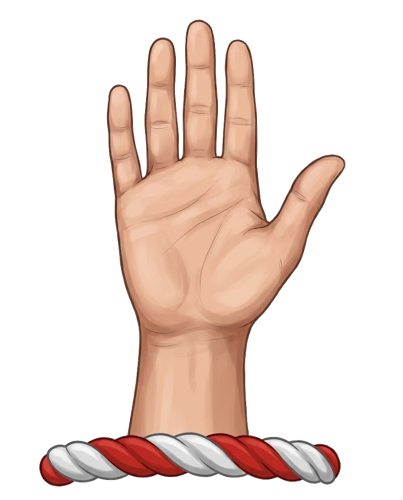
dexter hand apaumée (open, palm facing forward), proper

Plate Number and Description The crest on Plate 7, Image 10 (Pl. 7. cr. 10.) is primarily described as a dexter hand apaumée (open, palm facing forward), proper. There are variations listed for specific families, such as holding a sword or being an arm rather than just a hand.

Surnames Associated with this Cresta dexter band apaumeé, proper

  • Althoun (England)
  • Brace (Doverdale)
  • Duncanson (Scotland)
  • Fitz Herbert (Lord St Helens)
  • Gayner (England)
  • Gaynor (England)
  • Handyside (Scotland)
  • Handysyde (London)
  • Landen (England)
  • Lilly (England)
  • Mare (England)
  • Middleton (Essex)
  • Patrick (Scotland)
  • Prescot (England)
  • Sibbald (Scotland)
  • Sibhald (Aberdeen)
  • Watson (Causlatt, Scotland)

Symbolism of the Crest Dexter Hand Apaumée: The open hand (apaumée) showing the palm is a symbol of justice, faith, sincerity, and innocence. It signifies that the bearer has nothing to hide and offers friendship or truth. Dexter (Right) Hand: Specifically represents the hand of faith, trust, and pledge. Arm/Hand: Generally represents a hardworking and industrious person. Sword (for Gay): Represents military honor, power, and freedom; often granted to those who have served their country in battle. Water Budget (for Mack): A distinct heraldic charge representing bags used to carry water during the Crusades; it symbolizes military service and logistics in arid lands.

General Symbolic Meanings The predominant symbol of the open hand suggests a lineage that valued transparency, honesty, and trust above aggression. It implies a pledge of faith or a readiness to uphold justice without concealment. Where the sword appears, it modifies this meaning to suggest that while peace and honesty are preferred, the bearer is ready to defend those principles with force if necessary.

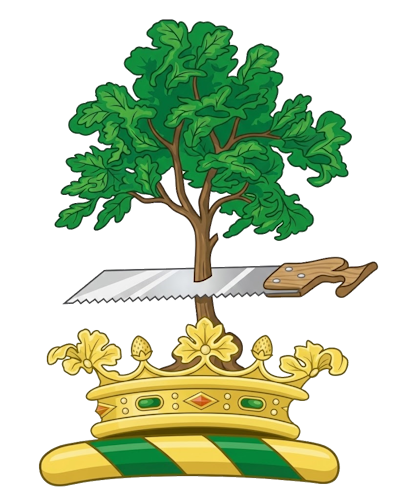
an oak tree, proper, fructed (bearing acorns), issuing from a ducal coronet, or, and penetrated transversely in the main stem by a frame saw, proper.

The crest on Plate 7, Image 9 (Pl. 7. cr. 9.) is described as an oak tree, proper, fructed (bearing acorns), issuing from a ducal coronet, or, and penetrated transversely in the main stem by a frame saw, proper.

Surnames:an oak tree, proper, fructed (bearing acorns), issuing from a ducal coronet, or, and penetrated transversely in the main stem by a frame saw, proper.

  • Hamilton (Viscount Boyne)
  • Hamilton (Earl of Ruglen)
  • Hamilton (Marlborough House, Portsmouth)
  • Hamilton (Duke of)
  • Hamilton (Bart, Scotland)
  • Hamilton (Earl of Abercorn)

Symbolism Oak Tree: The oak is the king of the forest, representing antiquity, strength, and endurance; when Fructed (bearing acorns), it signifies continuous growth, fertility, and a long-standing lineage. Ducal Coronet: A symbol of high nobility, authority, and rank, serving here as the base from which the crest issues. The Saw: This unique charge represents the famous Hamilton legend of “Through.” It commemorates the escape of Sir Gilbert de Hamilton in 1323, who disguised himself as a woodcutter to evade English pursuers. When his servant hesitated upon seeing the soldiers, Sir Gilbert shouted “Through!” to keep the saw moving and hide their identity.

General Symbolic Meanings This crest serves as a powerful narrative of survival, quick thinking, and resilience. It combines the emblem of highest nobility (the coronet) with a humble tool of labor (the saw), suggesting that true strength lies in the ability to adapt to dangerous circumstances. It implies a lineage that is not only ancient and strong like the oak but also capable of cutting through obstacles and perseverance in the face of adversity.

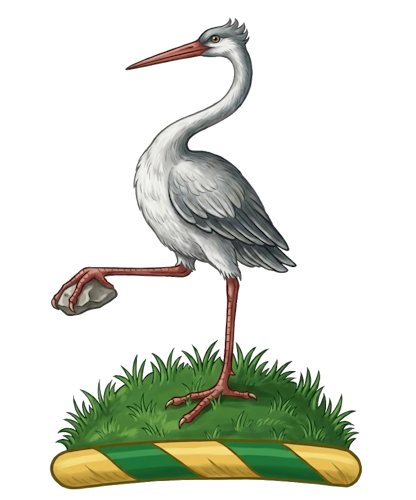
a stork (or crane) standing on a mount (or hill)

The crest on Plate 7, Image 8 (Pl. 7. cr. 8.) is described as a stork (or crane) standing on a mount (or hill), holding in its dexter foot an escallop shell or a stone (often referred to as a “stork in its vigilance”).

Surnames Associated with This Crest:a stork (or crane) standing on a mount (or hill)

  • Crewse (Cruse, Morchard, Devonshire)
  • Cruse (Cruse, Morehard, Devonshire)
  • Hall (England) 
  • Hall (Dunglass, Bart.) 
  • Harris (Scotland) 
  • Heris (England) 

Symbolism of the Crest Stork / Crane: These birds are emblems of filial piety, gratitude, and close parental bonds, often associated with the idea of caring for one’s parents in old age. When depicted holding a Stone in its claw, it represents Vigilance; the legend states that if the crane falls asleep, the stone will drop and waken it, symbolizing an alert guardian. The Escallop Shell is a classic symbol of pilgrimage, travel to distant lands, or naval service, signifying one who has made long journeys or remained faithful. The Mount represents a solid foundation, firmness, and constancy. The Burning Mount (associated with M’Kenzie) signifies potential danger survived, or a beacon of warning and guidance.

General Symbolic Meaning This crest embodies the virtues of watchful guardianship and dutiful service. The combination of the vigilant bird and the mount suggests a family lineage grounded in steadfastness and readiness, while the inclusion of the shell or stone implies a history of travel, pilgrimage, or an unwavering commitment to duty, ensuring that the bearer is always prepared and alert against danger.

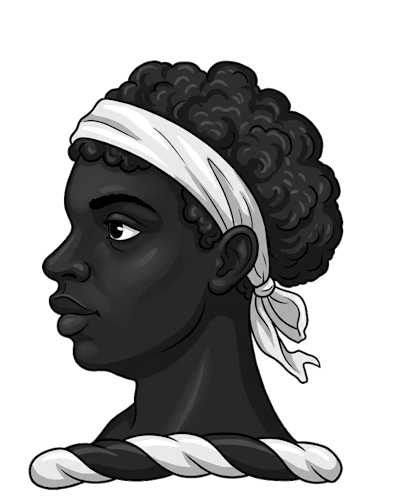
as a Moor’s (or Saracen’s) head

The crest on Plate 7, Image 7 (Pl. 7. cr. 7.) is typically described as a Moor’s (or Saracen’s) head, usually in profile or couped at the shoulders, and often wreathed or banded about the temples.

Surnames:a Moor's (or Saracen's) head, usually in profile or couped at the shoulders, and often wreathed or banded about the temples

  • Agas (England)
  • Agg (England)
  • Andrewes (England)
  • Andrews (Norton)
  • Annesley (England; Ireland)
  • Bugge (Harlow, Essex)
  • Cleland (England)
  • Coker (Maupouder)
  • Conway (Gloucestershire; Buckinghamshire; Warwickshire; Ireland)
  • Den (England)
  • Dena (England)
  • Halyburton (Lord Dirleton)
  • Littleton (Frankley, Worcestershire)
  • Livingston (Earl Of Newburgh)
  • Livingstone (Kinnaird)
  • Lum (Yorkshire)
  • Lyttleton (England; Ireland)
  • Mair (Lochend)
  • Masterman (Yorkshire)
  • Moore (Canterbury)
  • More (Lincolnshire)
  • Mores (Coxwell, Berkshire)
  • Morris (Coxwell, Berkshire)
  • Mure (Caldwell)
  • Neale (London)
  • Norton (Portsmouth)
  • St Loe (England)
  • Stirling (Kear, Scotland)
  • Titus (Bushy, Hertfordshire)
  • Titus (Busby, Hertfordshire)
  • Willans (Yorkshire)

Symbolism

Moor’s Head / Saracen’s Head: This symbol is frequently associated with deeds of valor, particularly during the Crusades, signifying a triumph over a foreign adversary or a connection to distant lands. It serves as a badge of honor representing a significant historical victory or lineage. Wreath / Band: The wreath about the temples (often argent and azure or gules) represents the chaplet given by a lady to her knight, or the twist of silk used to hold the mantling on a helmet, symbolizing victory, high status, and festivity. Couped: This term indicates the head is cut cleanly at the neck or shoulders, a common heraldic method of display that focuses attention solely on the figure’s identity and the symbolism of the head itself.

General Symbolic Meaning

The depiction of the human head, particularly distinct figures like the Moor or Saracen, suggests a family history steeped in military tradition, exploration, or significant historical encounters. It implies a legacy of overcoming great challenges, celebrating victory, and maintaining distinct honor through generations.

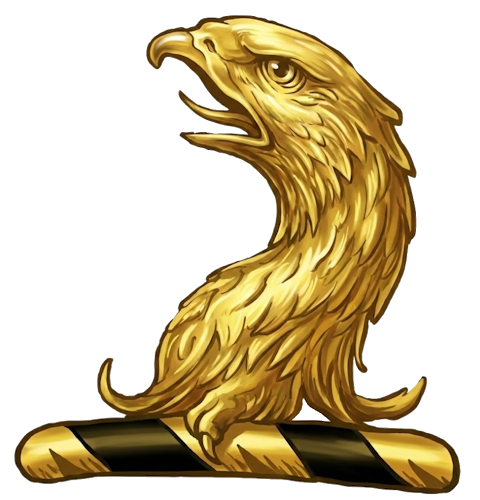
an eagle’s head erased

The crest on Plate 7, Image 6 (Pl. 7. cr. 6.) is described as an eagle’s head erased (torn off at the neck with jagged edges).

Surnames:

  • Abday (England)An eagle's head erased, or (gold)
  • Abdey (London)
  • Abdey (Felix Hall, Essex)
  • Abdey (Albins, Essex)
  • Abdy (London)
  • Abdy (Stapleford-Abbot, Essex)
  • Abdy (Cobham Place, Surrey)
  • Ainslie (Quebec)
  • Alison (Scotland)
  • Allison (Scotland)
  • Argentre (England)
  • Aubrey (Llantrithried, Glamorganshire)
  • Aubrey (Brecknockshire)
  • Awbrey (England)
  • Baird (Scotland)
  • Baird (Frankfield)
  • Bishop (Holway)
  • Bishop (Dorsetshire)
  • Bishop (Somersetshire)
  • Bishop (Chilcomb)
  • Brown (Frankfield)
  • Bruneck (England)
  • Darby (London)
  • Darby (Dorsetshire)
  • Forbes (Drux)
  • Furlong
  • Gardner (Edinburgh)
  • Gillillian (Scotland)
  • Gilfillian (Ireland)
  • Gleneagles (That Ilk)
  • Glyn
  • Gosolyn (London)
  • Gosling (London)
  • Graham
  • Hadden (Lanark)
  • Hadden (Gleneagles)
  • Haldane (Scotland)
  • Halden (Gleneagles)
  • Halden (Lanark)
  • Hamden (Hartwell, Buckinghamshire)
  • Hamden (Northamptonshire)
  • Hampden (Hartwell, Buckinghamshire)
  • Hampden (Rothwell)
  • Hennidge (England)
  • Jackson (Edinburgh)
  • Jackson (Paisley)
  • Jollyffe (England)
  • Kindon (England)
  • Lidderdale (Saint, Scotland)
  • Lidderdale (London)
  • M’Fall (Scotland)
  • M’Fell (Scotland)
  • Mackennal (Cloverbank)
  • Mackennel (Merk)
  • M’Kindlay (England)
  • Mackinlay (Scotland)
  • Maclure (Scotland)
  • Madden (Maddenton, Wiltshire)
  • Newbery (England)
  • Phillips (England)
  • Pickard (England)
  • Ramsbottom (England)
  • Rorke (Ireland)
  • St Quintin (Gansted, Yorkshire)
  • Simson (Scotland)
  • Smedly (England)
  • Somner (England)
  • Theed (Buckinghamshire)
  • Torin (England)
  • Wedderburn (Gosford, Scotland)
  • Wedderburn (Balindean, Scotland)
  • Wedderburn (England)
  • Wedderbourne (East Powrie, Scotland)
  • Weston (Rugely, Staffordshire)

Eagle’s Head: The eagle is revered in heraldry as the king of birds, signifying a person of noble nature, strength, bravery, and alertness. It is often associated with men of action and high intellect. Erased: The term “erased” means the head appears torn from the body with jagged edges, which is a common heraldic stylization indicating a violent but victorious separation, often used to emphasize the strength of the bearer.

The eagle is a symbol of power and authority, often granted to those who have distinguished themselves in service to their country or sovereign. The use of the head specifically focuses on the intellect and sharp vision of the eagle. The upward gaze or forward-facing posture implies a readiness to act and a constant vigilance. In the case of the Scottish families (like Wedderburn and Graham), this crest often accompanies mottos related to light, sun, or foresight, reinforcing the connection between the eagle’s ability to gaze at the sun and the family’s clarity of purpose.

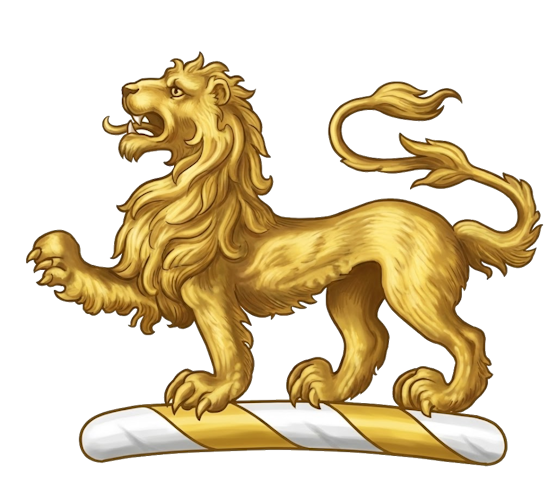
A lion passant, or

The crest on Plate 7, Image 5 (Pl. 7. cr. 5.) is described as a lion passant (walking, usually with the right forepaw raised), sometimes charged with various marks of difference (such as a crescent, mullet, or trefoil) depending on the specific family branch.

Surnames Associated with this Crest:

  • Auncell (England) A lion passant, or
  • Barley (England)
  • Beaumont (Suffolk, Leicestershire)
  • Belon (England)
  • Booth (Cheshire, Dunham Massey)
  • Boothe (England)
  • Bramhall (Chester, London)
  • Brant (England)
  • Bree (Kent)
  • Brett (Devonshire)
  • Brewse (England)
  • Bromhall (London, Chester)
  • Bruce (England)
  • Bruce (Earl of Ailsbury, Scotland)
  • Bryden (Scotland)
  • Coxhead (England)
  • Depham (England)
  • Fairfax (Yorkshire)
  • Fitz Payne (Gloucestershire)
  • Garritte (Ellington, Durham)
  • Grace (Huntingdonshire, Wiltshire, Somersetshire)
  • Greseley (England) [Bart.]
  • Haggerston (Durham, Haggerston Castle)
  • Halket (England)
  • Herle (Cornwall)
  • Kendall (King’s Bridge, Devon)
  • Ketland (England)
  • Lemon (Bart of Carclew, Cornwall)
  • Muckle (Scotland)
  • Nicholas (England)
  • Paynell (England)
  • Philibe (England)
  • Rome (England)
  • Slingsby (Scriven, Yorkshire)
  • Staple (England)
  • Sterling (Hertfordshire)
  • Stirling (Glorat, Banks, Scotland)
  • Strange (London, Lancashire)
  • Strangewayes / Strangeways / Strangewiche (Yorkshire, Dorsetshire, Lancashire)
  • Urswicke (England)
  • Wake (England)

Symbolism of the Crest

Lion Passant: The lion is the king of beasts and one of the most common and noble charges in heraldry. When depicted as passant (walking with the right forepaw raised), it symbolizes resolution, prudence, and steady progress. It suggests a leader who is not merely ferocious (rampant) but is calm, dignified, and moving forward with purpose. The specific colors (tinctures) often modify the meaning; for example, Azure (blue) represents truth and loyalty, while Gules (red) signifies warrior-like martyrdom and military strength.

General Symbolic Meanings

The lion passant is a quintessential symbol of sovereignty and command. It implies that the bearer possesses the strength and courage of the lion but tempers it with the wisdom to move deliberately. It is often associated with families of high standing or those who have held authority, indicating a lineage that values majesty, courage, and a watchful, guarding nature over their domain.

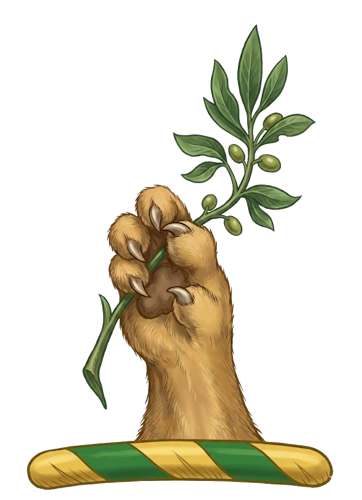
a lion’s gamb (paw) erased, holding a branch (variously described as olive, laurel, or fructed)

The crest on Plate 7, Image 4 (Pl. 7. cr. 4.) is described primarily as a lion’s gamb (paw) erased, holding a branch (variously described as olive, laurel, or fructed).

Associated Surnamesa lion's gamb (paw) erased, holding a branch (variously described as olive, laurel, or fructed)

  • Cooper (Coinesmeen, Hertfordshire) 
  • Cooper (Ratlingcourt, Kent)
  • Cooper (Stoad, Sussex) 
  • Cowper (Ratlingcourt, Kent) 
  • Cowper (Cainegreen, Hertfordshire) 
  • Flint (England) 
  • Kennetley (England) 
  • McDowall (Scotland) 
  • McDowall (London) 
  • Nichol (England) 
  • Nicholl (England) 
  • Oueden (England) 
  • Segrave, De (England)
  • Sheriff (Leith, Scotland) 
  • Simpson 
  • Sutton (England) 

Symbolism of the Crest

Lion’s Gamb (Paw): The lion is the king of beasts, symbolizing deathless couragemajesty, and strength. The gamb (paw) specifically represents the power of the lion to seize or hold, often signifying that the bearer has achieved victory through strength. Branch (Olive/Laurel): The branch held by the paw modifies the meaning of strength. An olive branch is the universal symbol of peace and concord. A laurel branch signifies victorytriumph, and achievement.

General Symbolic Meaning

The image of a powerful lion’s paw grasping a peaceful olive branch or a victorious laurel branch represents “Peace through Strength” or “Victory secured by Valor.” It suggests a lineage that is capable of great force but prefers peace, or one that has used its strength to establish a peaceful outcome. It balances the aggression of the predator with the tranquility of nature.

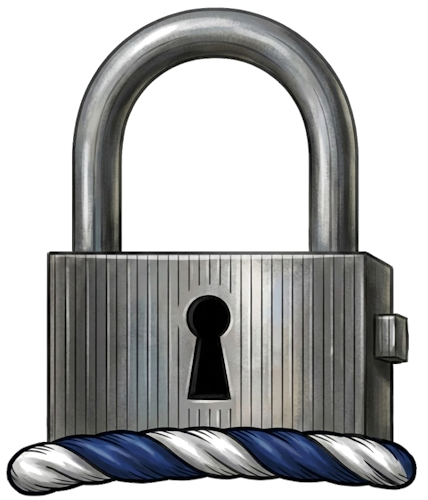
A square padlock, proper

Plate Number: Plate 7, Crest 3 (Pl. 7. cr. 3.) Description: A square padlock.

Surnames Associated with this Crest:A square padlock, proper

  • Bonney (England)
  • Fakenham (England) 
  • Fitzralph (England) 

Symbolism of the Crest:

Padlock: The padlock is a strong heraldic symbol of security, guardianship, and trust. It suggests a person or family entrusted with the safekeeping of valuable assets, secrets, or responsibilities. It can also signify discretion and the ability to keep counsel. Square: The square shape often represents stability, honesty, and firmness, suggesting a character that is “four-square” or solid in its principles. Proper: This term indicates that the padlock is depicted in its natural color, typically iron or steel.

General Symbolic Meaning:

The image of a square padlock suggests a lineage defined by reliability and duty. It implies an ancestor who may have held a position of trust, such as a treasurer, castellan, or keeper of archives, or simply one known for their unshakeable integrity and capacity to protect what is important. It conveys a message of safety and the preservation of what is right.