The crest on Plate 10, Image 12 (Pl. 10. cr. 12.) is described as the sun in his splendour (or glory).
Surnames: 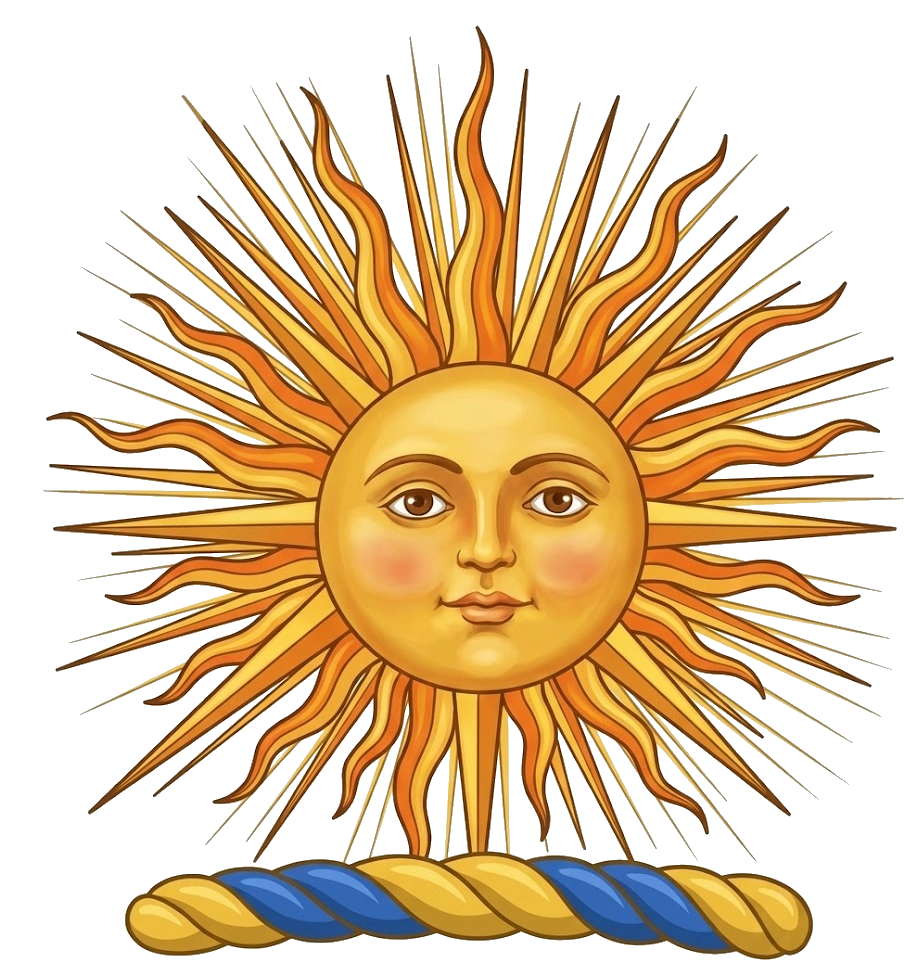
- Aberdeen (Marischal College of)
- Abraham (England)
- Coke (England)
- Fairbairn (Scotland)
- Florio (England)
- Freebairne (Scotland)
- Grevis (England)
- Hay (England)
- Jack (Scotland)
- Jackson (England)
- Janssen (England)
- Joanes (Worcestershire)
- Joanes (London)
- Jones (Shrewsbury)
- Jones (Chilton, Shropshire)
- Ker (Marquis of Lothian)
- Ker (Scotland)
- Ker (Caloo)
- Ker (Bughtrigg)
- M’Cleod (Lewis)
- M’Hardie (Scotland)
- M’Kenzie (Seatwell)
- M’Kenzie (Earl of Cromarty)
- M’Kenzie (Bart.)
- Macleed (Assynt)
- Macleod (Lewes)
- Macleod (Raasay)
- M’Leod (Cadboll)
- Marischall College (Aberdeen)
- Mason (Scotland)
- Masson (Scotland)
- Maughan (Scotland)
- Mellis (Scotland)
- Nairne (England)
- Oliphant (of Clashbainy)
- Pass (England)
- Pitcairn (of Pitcairn, Perthshire)
- Reilly (Ireland)
- Richmond (England)
- Rodwell (England)
- Routh (England)
- Rutt (of Buckinghamshire)
- Sotheby (England)
Symbolism of the Crest Sun in his Splendour: The sun is the ultimate symbol of glory, splendor, and absolute authority. It represents the source of life, light, and vitality, signifying a lineage that values truth and the dispelling of darkness. In heraldry, the sun is often depicted with alternating straight and wavy rays, representing both the light and the heat it provides. It is a symbol of royal majesty and high honor, often granted to those who have performed distinct service or demonstrated benevolence and warmth in their leadership.
General Symbolic Meanings The image of the sun suggests a family character defined by hope, resilience, and constancy. Just as the sun rises every day to banish the night, this crest implies a spirit that rises above adversity and provides guidance to others. The mottoes associated with this crest, such as “Luceo” (I shine) or “Resurgo” (I rise again), reinforce themes of eternal continuity, renewal, and an optimistic outlook on the future.
The crest on Plate 10, Image 11 (Pl. 10. cr. 11.) is described as a tower or castle, often embattled and masoned, and occasionally situated upon a rock.
Surnames: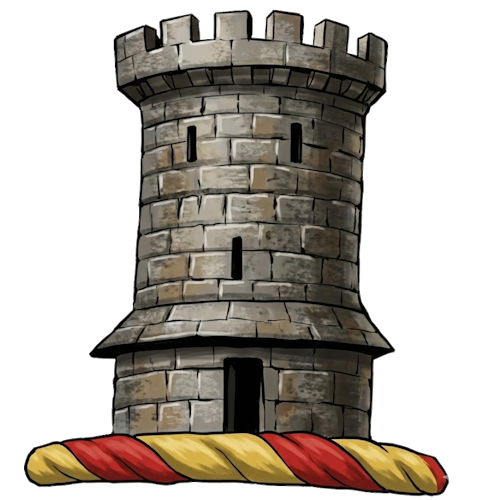
- Adderbury (England)
- Allmack (Scotland)
- Bogle (England)
- Caddel (Scotland)
- Cantrel (England)
- Cantrill (Bury, Suffolk)
- Carfrae (Merchant, Edinburgh)
- Carfrae (Glenbog)
- Cheslin (London)
- Clemsby (England)
- Crammond (Scotland)
- Devereux (Ireland)
- Forte
- Higginson (England)
- M’Allum (Scotland)
- M’Callum (Scotland)
- Macdonald (Scotland)
- M’Lean (Dowart and Morven)
- M’Lean (Baronet)
- M’Knight (Scotland)
- M’Lean (Ardgour)
- M’Naugton (Upper Clogher, County of Antrim)
- M’Naughton (that Ilk)
- Malcom (Scotland)
- Maples (England)
- Marlborough, Town Of (Wiltshire)
- Mason (of Ayr)
- Masons, Trade (London)
- Meyrick (England)
- Pearson Of Kippenross (Scotland)
- Poor (England)
- Schapmar (Scotland)
- Stables (England)
- Thorlby (Scotland)
- Tinker (Scotland)
- Tournay (England)
- Towers (England)
- Whiteman (England)
- Whitingham (England)
- Whittingham (England)
- Wintersills (England)
Tower (or Castle): The tower is a classic emblem of safety, grandeur, and defense. It represents a family that has stood firm against adversity or perhaps acted as guardians of a stronghold. Masoned: When the lines of mortar are visible, it emphasizes solidity and construction, suggesting a well-built and enduring lineage. Rock: In variations where the tower stands on a rock, it signifies a firm foundation, stability, and protection.
The image of the tower suggests a lineage known for its steadfastness and ability to offer protection. It implies a history of strength, stability, and perhaps a connection to military defense or the holding of significant property.
The crest on Plate 10, Image 10 (Pl. 10. cr. 10.) is described as a cat rampant, often depicted as gardant (facing the viewer).
Surnames: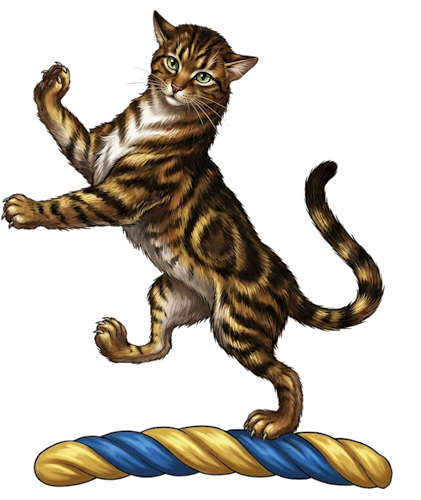
- Grant (Ireland)
- Macintosh (Scotland)
- M’Kellar (England)
Symbolism
Cat (or Wildcat): The cat is a symbol of liberty, vigilance, and forecast. It represents a warrior who is composed but fierce and dangerous when provoked (often associated with the motto “Touch not the cat but a glove”). Rampant / Gardant: The position “rampant” (rearing on hind legs) signifies readiness for battle and high spirit, while “gardant” (facing the viewer) emphasizes watchfulness and a direct challenge to enemies.
General Symbolic Meaning
The image of the rampant cat combines the independence and agility of the feline nature with the martial posture of heraldic beasts. It implies a lineage that values freedom above all else and possesses the strength and ferocity to defend that freedom against aggressors. It suggests a family that is vigilant in peace but formidable in conflict.
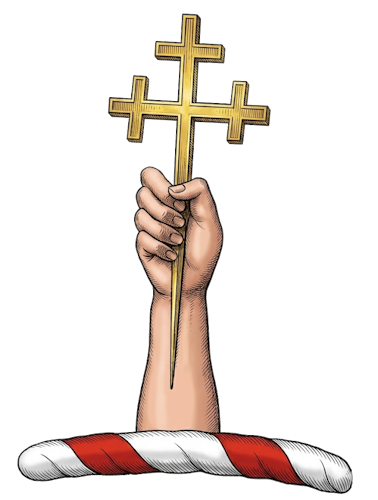
The crest on Plate 10, Image 9 (Pl. 10. cr. 9.) is described variously as a dexter hand holding a cross croslet fitched in pale.
Surnames:
- Crome (Ireland)
- Lamprey (Ireland)
- Tailor (England)
- Tuile (Ireland)
Symbolism of the Crest
Hand (Dexter Hand): The hand is a pledge of faith, sincerity, and justice; when open, it signifies liberality, but grasping an object, it emphasizes the strength and capability to maintain what is held. Cross Crosslet Fitched: This specific cross is pointed at the base (“fitched”), allowing it to be stuck into the ground. Historically, this is associated with the Crusades or pilgrims who carried such crosses to plant them in the ground for daily devotions. It symbolizes unshakeable faith, pious endurance, and the “sword of the spirit.”
General Symbolic Meanings
The primary motif of this crest—the hand holding the fitched cross—represents a powerful combination of action and belief. It suggests a lineage that is not only religiously devout but actively defends that faith. The pointed cross implies a readiness to set down roots or stand firm in one’s convictions wherever one may be, evoking the spirit of a pilgrim-warrior or a determined defender of the truth.
The crest on Plate 10, Image 6 (Pl. 10. cr. 6.) is described as a human heart pierced by a passion nail;
Surnames: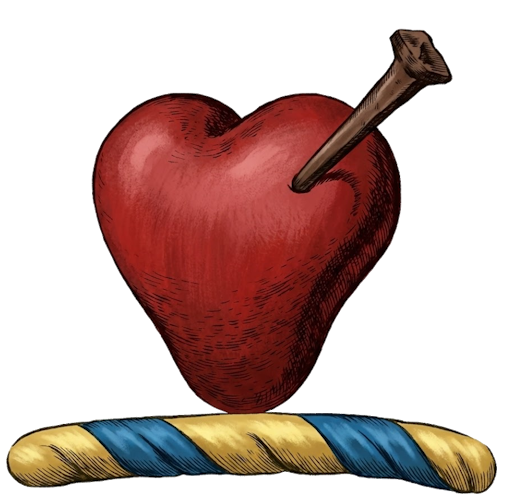
- Collins (Ireland)
- Logan (That Ilk)
- Ogie (England)
Symbolism
Heart: The heart in heraldry is historically a symbol of sincerity, truth, and charity, representing a person of loving and kindly disposition. Passion Nail: This specific object often alludes to religious devotion, representing the nails of the crucifixion, or it can symbolize poignant grief and suffering endured with patience.
General Symbolic Meanings
The imagery of the pierced heart is a profound emblem of emotional depth, religious fervor, or romantic fidelity, often implying a legacy of sacrifice or an unshakeable bond to a cause or person. It suggests a family history characterized by intense loyalty, spiritual dedication, or a solemn vow.
The crest on Plate 10, Image 5 (Pl. 10. cr. 5.) is primarily described as a Demi-Savage (or Demi-Hercules) wreathed about the head and middle, holding a club in his dexter (right) hand and a serpent entwined around his sinister (left) arm.
Surnames Associated with This Crest: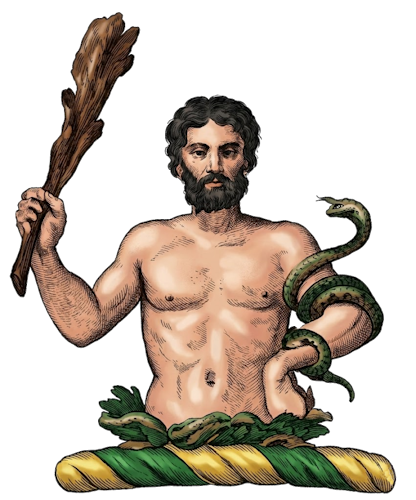
- Coterell
- Cotrell
- Livingston (Counteswells)
- Livingstone (Callendar)
- Lundin (Baldester)
- Meurs (England)
- Plowman (England)
Symbolism of the Crest:
Demi-Savage / Hercules: This figure represents raw strength, fortitude, and ancient lineage, often implying a family that has tamed wild lands or overcome great physical odds. Club: A traditional symbol of authority, defense, and power, signifying the ability to crush resistance. Serpent: While often a symbol of wisdom and renewal, in the context of being held or strangled by a savage or Hercules figure, it signifies the triumph of virtue and strength over vice, deceit, or danger.
General Symbolic Meanings:
The image of a wild man or Hercules grappling with a serpent suggests a narrative of overcoming adversity through physical prowess and vigilance. It combines the concept of “Might” (the club and savage) with the mastery over “Guile” (the serpent), indicating a lineage that values strength of character and the ability to subdue malicious forces.
The crest on Plate 10, Image 4 (Pl. 10. cr. 4.) is described generally as a leopard’s head and neck (or simply a leopard’s head), often differing in tincture (color) depending on the specific family.
Surnames associated with this crest: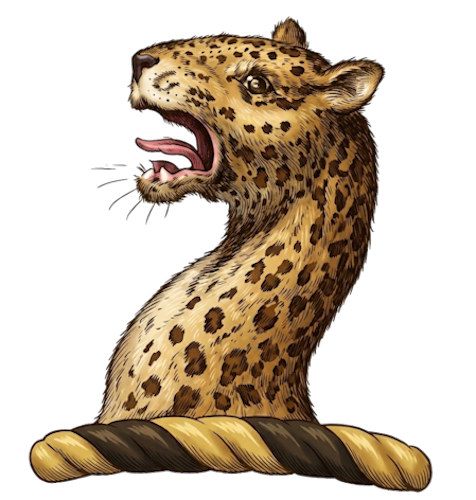
- Barbon (England)
- Barbon (London)
- Braine (Gloucestershire)
- Charleton (Shrewsbury)
- Charlton (Shrewsbury)
- Covert (Sussex)
- Houby (England)
- Jerveis (Worcester)
- Jerves (Hampshire)
- Kymer (Dorsetshire)
- Leversedge (Cheshire)
- Little (Meikledale)
- May (England)
- Michael (Berkshire)
- Michell (Berkshire)
- Mylbourne
- Paul (Scotland)
- Pickering (Nottinghamshire)
- Price (Buckinghamshire)
- Touke (Worcestershire)
- Warwick (England)
- Wilsford (Kent)
- Wilsford (Kent)
Symbolism of the Crest
Leopard’s Head: In heraldry, the leopard is often synonymous with the lion, particularly in early blazonry. It is a symbol of valiant and hardy warriors who enterprise hazardous things by force and courage. The head specifically represents the intellect and alertness of the beast, signifying a lineage that is not only brave but politically astute and watchful. When depicted “proper,” it emphasizes the natural strength of the animal.
General Symbolic Meanings
The leopard’s head is a powerful totem of protection and vigilance. It suggests a family history rooted in military service or guardianship, indicating ancestors who were fierce in defense of their rights and kin. The varied colors associated with different families (Gold/Or for generosity, Red/Gules for military strength, Blue/Azure for loyalty) add specific nuances to the general theme of a brave and watchful warrior spirit.
The crest on Plate 10, Image 3 (Pl. 10. cr. 3.) is described as an ostrich, usually proper or argent, holding in its beak either a key or a horse-shoe.
surnames: 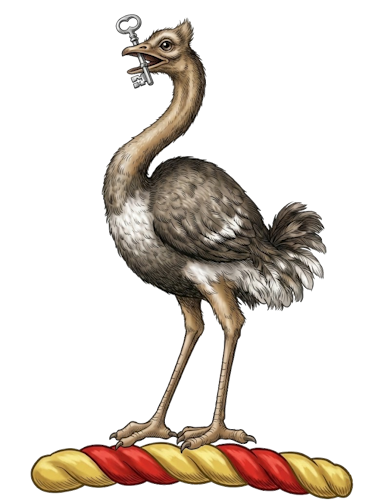
- Crawfurd (Earl of Crawford)
- Dickman (England)
- Lindesay (Leith)
- Lindesay (Wormiston, Fifeshire)
- Lindsay (Earl of Crawfurd)
- Lyndsey (England)
- Ray (Rawleigh, Suffolk, England)
- Redpath (Scotland)
- Wyatt (Boxley, Kent, England)
- Wyatt (Sherwell, Devonshire, England)
Symbolism Ostrich: In heraldry, the ostrich is often a symbol of willing obedience and serenity, but historically, it was most famous for its legendary (though mythical) ability to digest iron and stones. This trait made it a symbol of tough endurance and the ability to withstand the hard realities of life. Key / Horse-shoe: The object held in the beak—often a key or a horseshoe—directly references this iron-digesting capability. The Key can also symbolize guardianship, dominion, stewardship, and knowledge, while the Horse-shoe is a classic emblem of good luck and protection against evil.
General Symbolic Meaning The image suggests a family lineage characterized by resilience and the ability to thrive under harsh conditions. The ostrich digesting iron implies a constitution of fortitude to endure hardship without complaint (as seen in the Crawford motto “Endure Furth”). Combined with the key, it suggests a trustworthy guardian who endures difficult trials to protect what is valuable, or, in the case of the horseshoe, a family favored by fortune through their endurance.
The crest on Plate 10, Image 2 (Pl. 10. cr. 2.) is described as a griffon’s (or griffin’s) head, often erased or couped.
surnames: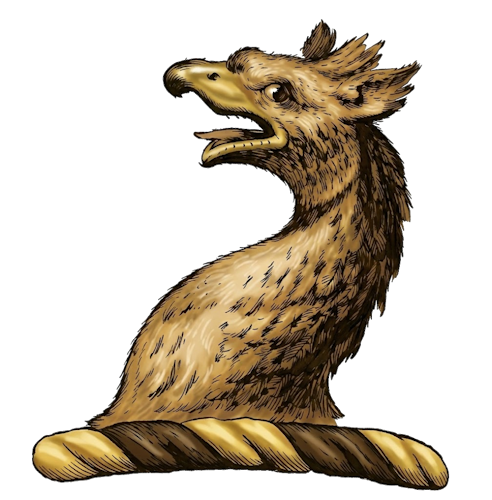
- Acheley (England)
- Adcane (England)
- Akeris (England)
- Akiris (England)
- Akyris (England)
- Alder (England)
- Auverquerque (England)
- Byer (Northampton)
- Cooke (Rydmarley)
- Croste (Pickleton, Leicestershire)
- Cruden (England)
- Cyfer (England)
- Despencer (England)
- Fettiplace (Chilrey, Berkshire)
- Forsan (England)
- Fotheringham (Scotland)
- Gardner (Blandford)
- Griffinhoofe
- Hall (England)
- Ingram (London)
- Ingram (Worcestershire)
- Ingram (Halstedd, Essex)
- Ingram (Herefordshire)
- Ingram (Temple Newton, Yorkshire)
- Ingram (Warwickshire)
- Keene (England)
- Le Despencer (England)
- Lesly (That Ilk)
- Lesslie (England)
- Maxwell (England)
- Milcham (Norfolk)
- Norton (England)
- Pawson (England)
- Pemberton (Aslaby, Durham; England)
- Reay (England)
- Watkens (Monmouthshire; England)
- Watkens (Wiltshire; England)
- Westripp (England)
Griffon (or Griffin): The griffon is a mythical beast combining the body of a lion and the head and wings of an eagle. It is a widely recognized symbol of vigilance, courage, and strength, representing a guardian of treasure or honor. Head: The head alone signifies intellect and the seat of ruling power.
General Symbolic Meaning: The image of the griffon’s head suggests a lineage characterized by keen vigilance and fierce protection. As a creature combining the earth-bound strength of the lion and the sky-ward dominion of the eagle, it implies a balance of power and intelligence, indicating a family ready to defend its honor and assets with both might and mind.