a ship in distress in the sea (or a ship in distress, proper)

The crest on Plate 3, Image 12 (Pl. 3. cr. 12.) is described as a ship in distress in the sea (or a ship in distress, proper).
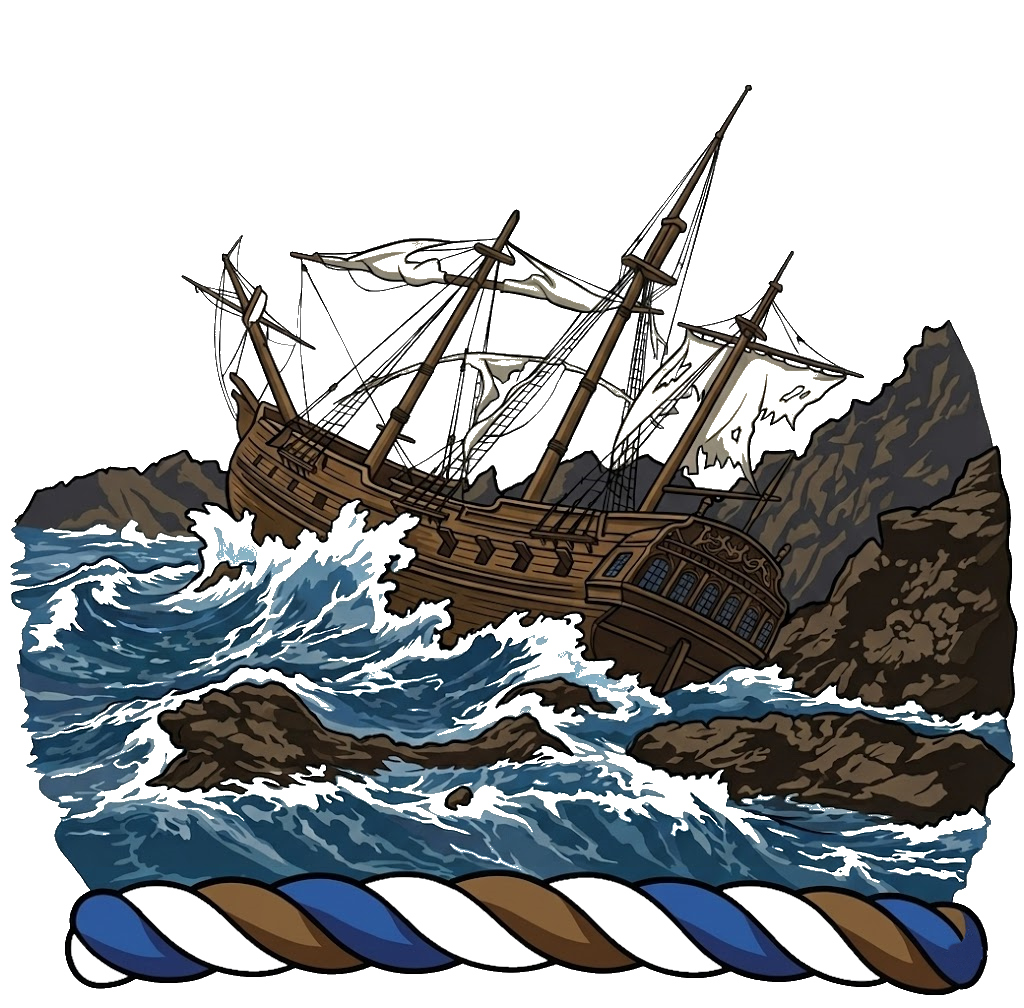
a ship in distress in the sea (or a ship in distress, proper)

Surnames Associated with this Crest:

  • Abernethy (Corskie)
  • Dick (Prestonfield)
  • Duncan (Lunde)
  • Duncan (Parkhill)
  • Hamilton (Bangour)
  • Hamilton (Edinburgh)
  • Hamilton (Scotland)
  • Harkness (Scotland)
  • Leckie (Scotland)

Symbolism of the Crest

Ship in Distress: A ship depicted in distress—often with sails furled or battered by waves—is a profound symbol of resilience and endurance against the odds. Unlike a ship in full sail which signifies a smooth voyage or enterprise, a ship in distress represents the ability to withstand the storms of life, political turmoil, or misfortune. It often accompanies mottos regarding hope (e.g., Spes Infracta – Hope Unbroken) or divine aid, suggesting that the bearer relies on higher power or inner strength to survive peril. The Sea: The sea represents the tumultuous journey of life, vastness, and the dangers one must navigate to reach safety.

General Symbolic Meanings

The imagery of a vessel struggling against the elements suggests a lineage characterized by fortitude and the capacity to survive difficult times. It implies that the family has faced significant challenges—perhaps historical, political, or personal—and emerged intact. It is a crest of hope, signaling that even in the midst of chaos or danger, safety and salvation are attainable through perseverance and faith.
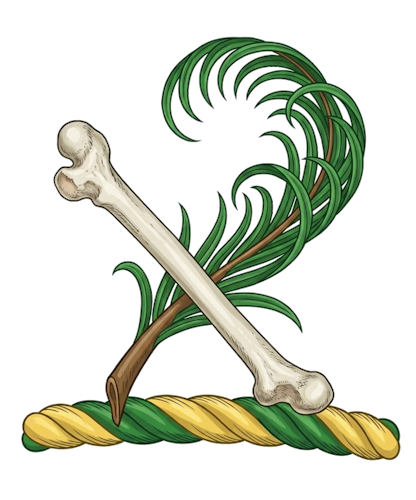
a shank-bone (or leg-bone) and palm branch in saltier.

The crest on Plate 3, Crest 11 (Pl. 3. cr. 11.) is described as a shank-bone (or leg-bone) and palm branch in saltier.

Surnames Associated with this Crest:a shank-bone (or leg-bone) and palm branch in saltier.

  • Baines (England) 
  • Bane (Scotland)
  • Bone (England) 
  • Dempster (Scotland) 
  • Gall (England) [description: A shank bone and palm branch in saltier, proper]
  • Hadienson (England)

Symbolism of the Crest

  • Shank-bone (Leg-bone): The bone is a profound heraldic symbol of mortality, human frailty, and the reminder of death (memento mori). However, when paired with emblems of victory, it often signifies endurance beyond death or a legacy that survives the physical body.

  • Palm Branch: The palm is the classical emblem of victory, triumph, justice, and peace. It was believed to grow stronger when burdened, symbolizing resilience and the overcoming of adversity.

  • In Saltier: Arranging the charges in an X-shape (saltier) signifies resolution and the intersection of these two opposing concepts—mortality and victory.

General Symbolic Meaning

This unique crest combines the stark reality of mortality with the symbol of ultimate triumph. It suggests a lineage or individual who values honor and victory above life itself, or one who has achieved a triumph that outlasts death. The associated motto for Dempster, “Mors aut vita decora” (Death or a life of honor), perfectly encapsulates this meaning: the willingness to sacrifice life to maintain integrity and achieve a victorious reputation.

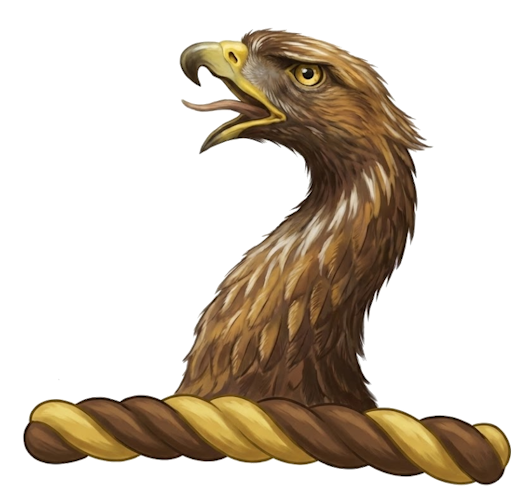
an eagle’s head couped

The crest on Plate 3, Image 10 (Pl. 3. cr. 10.) is described primarily as an eagle’s head couped (cut smoothly at the neck), though some variations (like the heron) share this plate reference.

Surnames: an eagle's head couped (cut smoothly at the neck), though some variations (like the heron)

  • Banks (Yorkshire, England) 
  • Bruce (Newton) 
  • Campbell (Fairfield)
  • Davie (Aberdeen, Scotland) 
  • Dive (England)
  • Divie (Scotland)
  • Elingham (England) 
  • Golofer (England) 
  • Golston (England)
  • Hale (England) 
  • Kyng (England) 
  • Meer (Sherborn, Dorsetshire, England)
  • Rigges (England) 
  • Roos (England)
  • Sidserf (Collegehead, Scotland) 
  • Sydserfe (College-Head, Scotland) 
  • Whishaw (England) 

Symbolism of the Crest

Eagle’s Head: The eagle is generally regarded as the king of birds and is a symbol of power, authority, and keen vision. The head specifically represents the intellect and quick-wittedness of the bearer, as well as a noble nature that is quick to comprehend and act. Couped: This term signifies that the head is cut off smoothly in a straight line (as opposed to “erased” or jagged), which in heraldry is simply a mode of display but implies a clean, deliberate distinctness. Mouth Embrued: In the case of the surname Meer, “embrued” means bloody or having drops of blood, often symbolizing victory in battle or a readiness to fight fiercely for one’s kin or country.

General Symbolic Meaning

The eagle’s head is a emblem of perspicacity, courage, and strength of mind. It suggests a family or individual who values foresight and has the ability to rise above mundane difficulties. By focusing on the head rather than the whole bird, the symbol emphasizes the mental and spiritual attributes of the eagle—its sharp gaze towards the sun and its commanding presence—indicating a lineage associated with leadership, clear judgment, and high ambitions.

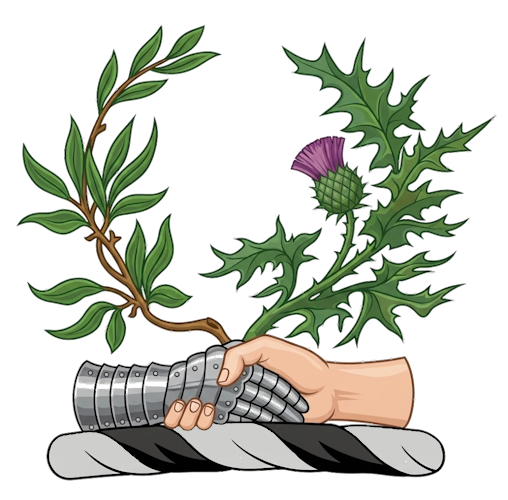
two hands conjoined in fess, the dexter in armour and the sinister proper, supporting a branch of palm and a thistle

The crest on Plate 3, Image 9 (Pl. 3. cr. 9.) is described as two hands conjoined in fess, the dexter in armour and the sinister proper, supporting a branch of palm and a thistle.

Surnames: two hands conjoined in fess, the dexter in armour and the sinister proper, supporting a branch of palm and a thistle

  • Dobbe
  • Dod (England)
  • Dode (England)
  • Wedderburn (England)

Symbolism of the Crest Hands Conjoined: The image of clasped hands, known as the “foi,” is a universal symbol of union, alliance, and fidelity, representing a pledge of faith between two parties. Armoured Hand vs. Naked Hand: The dexter hand in armour signifies military strength and protection, while the naked sinister hand represents civil power or peace; their union implies strength supporting peace or a powerful alliance between force and diplomacy. Thistle: A classic emblem of Scotland, representing defiance, durability, and protection, often associated with the sentiment that “no one provokes me with impunity.” Palm / Laurel: These are widely recognized symbols of victory, triumph, and lasting fame, indicating that the union or lineage has achieved success through honorable means.

General Symbolic Meanings This crest symbolizes a powerful alliance or union, likely indicating a family that maintains peace through strength. The combination of the thistle and palm suggests a victorious struggle or a heritage deeply rooted in Scottish resilience, achieving triumph through a balance of martial readiness and honorable conduct.

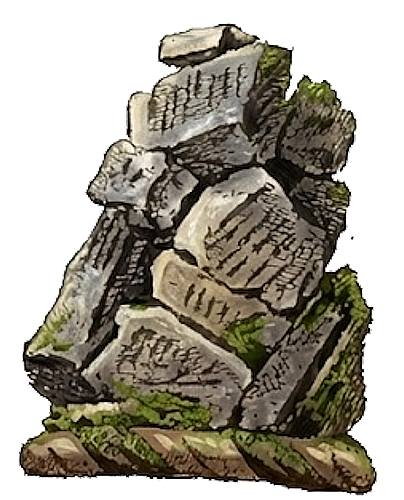
a rock, typically “proper”

The crest on Plate 3, Image 8 (Pl. 3. cr. 8.) is described as a rock, typically “proper” (natural colored), though sometimes specified as sable (black).

Surnames:

  • Brachwell (Cheshire)as a rock, typically "proper"
  • Comingham (England)
  • Dalrymple (Stair, Baronet, Scotland) 
  • Dalrymple (North Berwick, Baronet)
  • Dalrymple (Cousland, Baronet)
  • Dalrymple (Scotland)
  • Dalrymple (Scotland) 
  • Deline (England)
  • Grant (Le)
  • Hog (Bimarside) 
  • Homsey (England) 
  • Kylie (England) 
  • M’Neil (That Ilk and of Barra) 
  • Pittman (England) 
  • Reoch (Scotland) 
  • Roche (England)
  • Rook (England) 
  • Sandeman (Perth, Scotland) 
  • Sandeman (Luncarty Bleachfield, Scotland) 
  • Scansborough (England) 
  • Southall (England) 
  • Walker (Scotland) 

Symbolism of the Crest

Rock: In heraldry, a rock is a standard symbol of safety, refuge, and protection. It signifies a steadfast and unshakeable nature, representing a person or family that provides a solid foundation or stands firm against adversity. It is often associated with the scriptural metaphor of a “rock of ages” or a fortress of safety.

General Symbolic Meaning The image of the rock suggests stability and permanence. It implies that the bearer is reliable, resolute, and maintains their integrity and position regardless of external pressures or “storms.” The mottoes associated with this crest, such as Firm, Steady, and Immobile, reinforce this theme of unwavering strength and endurance.

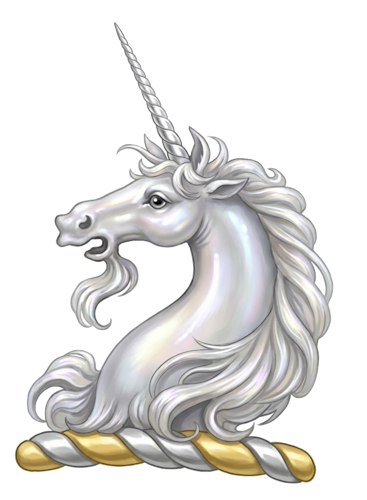
unicorn’s head (often noted as couped, erased, or issuing from a wreath)

The crest on Plate 3, Image 7 (Pl. 3. cr. 7.) is described as an unicorn’s head (often noted as couped, erased, or issuing from a wreath).

Surnames Associated with this Crest:unicorn's head (often noted as couped, erased, or issuing from a wreath)

  • Leaknor (Sussex) 
  • Leigh (Egginton, Derbyshire) 
  • Lewknor (Worcestershire)
  • Man (Scotland)
  • Nagle (England) 
  • Pery 
  • Peterkin (Scotland) 
  • Piller (England) 
  • Piper (England) 
  • Poulett (England) 
  • Ramsay (Barnton, Scotland)
  • Ritchie (Glasgow, Scotland)
  • Sherborne (Stanghurst, Lancashire) 
  • Sherborne (Ribleton, Lancashire)
  • Shirborne (Stanyhurst, Lancashire) 
  • Sladden (England)
  • Stewart (Innermeath, Scotland) 
  • Stewart (Ochiltree, Scotland)
  • Stewart (Ardsheall, Scotland) 
  • Stewart (East Indies, Scotland) 
  • Stewart (Appin, Scotland) 

Symbolism of the Crest Unicorn: The unicorn is a legendary creature that serves as a powerful symbol of purity, virtue, and strength. In heraldry, it represents a warrior who would rather die than be captured, symbolizing an untamable spirit. Because the unicorn was believed to be a wild beast that could only be tamed by a virgin, it is also strongly associated with innocence and Christ. The horn of the unicorn was historically reputed to have the power to neutralize poison, adding a layer of symbolism regarding healing and protection.

General Symbolic Meanings The unicorn’s head specifically focuses the symbolism on the creature’s intellect and spirit. It suggests a lineage that values extreme courage combined with virtue. The bearer of this crest is often seen as a defender of the truth and a protector against malevolence, embodying the combination of physical power and spiritual purity.

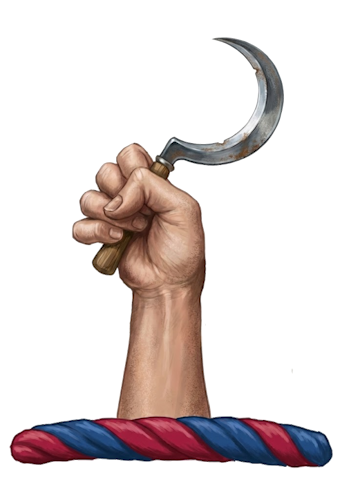
a dexter hand holding a sickle, proper

Plate Number and Description The crest on Plate 3, Image 6 (Pl. 3. cr. 6.) is described as a dexter hand holding a sickle, proper. There is one variation listed (Eckles) where the hand holds a battle-axe.

Surnames Associated with this Cresta dexter hand holding a sickle, proper

  • Cummin (Scotland) 
  • Cumming (Scotland)
  • Dusautoy (England) 
  • Eckles (Scotland) 
  • Gallagher 
  • Hayton (England) 
  • Hore (England) 
  • Horem (England) 
  • Pyrke (England) 
  • Qualemayne (England) 

Symbolism of the Crest Sickle: The sickle is a prominent symbol of agriculture, the harvest, and the fruitful rewards of honest labor. It represents the gathering of what has been sown, signifying prosperity derived from diligence and a deep connection to the land. Hand (Dexter): The right hand is the symbol of pledge, faith, and action, indicating the capability and readiness to perform the work necessary to secure the harvest.

General Symbolic Meaning The combination of the hand and the sickle suggests a lineage that values industry, husbandry, and provision. It implies that the bearer’s family fortune or honor was achieved through steady effort and the cultivation of resources, rather than through war or conflict. The associated motto for the Cummin family, “Hinc garbæ nostræ” (From hence come our sheaves), reinforces this meaning of wealth and sustenance springing from labor.


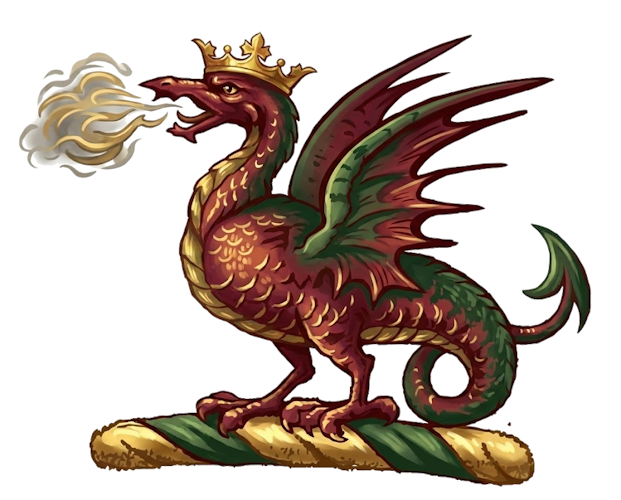
a wyvern, with wings indorsed (or elevated)

Plate Number and Description The crest on Plate 3, Image 5 (Pl. 3. cr. 5.) is described as a wyvern, with wings indorsed (or elevated), often depicted ducally crowned and vomiting fire.a wyvern, with wings indorsed (or elevated), often depicted ducally crowned and vomiting fire

Surnames Associated with this Crest

  • Adwinkle (England) 
  • Aldewinckle (England) 
  • Aldewincle (England) 
  • Aldewinkell (England) 
  • Wyvill (Constable Burton, Yorkshire) 

Symbolism of the Crest

  • Wyvern: The wyvern is a mythical creature similar to a dragon but with only two legs. In heraldry, it is a symbol of valour and protection, often serving as a guardian of treasure or secrets. It represents a keen sense of sight and the ability to strike with terrifying force.

  • Vomiting Fire: This imagery (“vomiting fire” or “flames issuing from the mouth”) signifies zealfierceness, and a volatile temper when provoked, warning enemies of the bearer’s capacity for destruction in battle.

  • Ducal Crown: When the wyvern is ducally crowned, it suggests authority, dignity, or a reward for military prowess, elevating the beast from a wild monster to a noble guardian.

General Symbolic Meanings The wyvern is considered a potent emblem of martial prowess and vigilance. Unlike the dragon, which often represents overcoming evil, the wyvern is frequently associated with pestilence or vengeance in medieval lore, making it a symbol of “overcoming” or “endurance” in heraldry. The act of breathing fire underscores a warrior spirit—one who possesses inner fire and energy that can be unleashed against adversaries. Combined with the motto “Par la volonte de Dieu” (By the will of God), it suggests that this strength and ferocity are guided by divine providence.

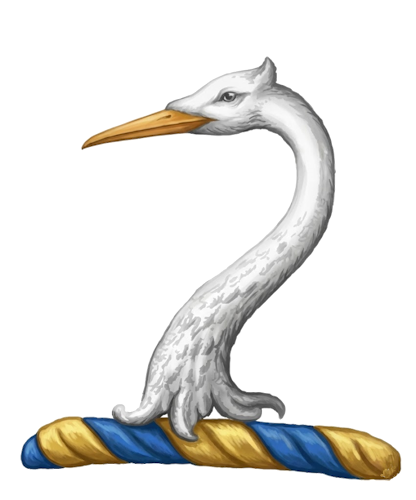
a stork’s or crane’s head erased (torn off at the neck with a jagged edge)

The crest on Plate 3, Image 4 (Pl. 3. cr. 4.) is described as a stork’s or crane’s head erased (torn off at the neck with a jagged edge).a stork's or crane's head erased (torn off at the neck with a jagged edge)

Surnames:

  • Bill (England)
  • Bussel (England) 
  • Cranston (Scotland) 
  • Kinder (England) 
  • Kuzmin (England) 
  • Ryley (England) 

Symbolism of the Crest

Stork / Crane: In heraldry, the stork and crane are widely recognized symbols of filial piety, gratitude, and duty. It was believed in antiquity that these birds took diligent care of their elderly parents, making them emblems of a grateful, loving, and loyal heart. The crane is also a symbol of vigilance. Erased: The term “erased” refers to the head being torn from the body leaving a jagged edge (as opposed to “couped” or cut straight). This artistic distinction often signifies strength or a limb lost victoriously in battle, implying that the family’s virtues are defended with vigor.

General Symbolic Meaning

The combination of the stork or crane with the “erased” neck suggests a lineage that values deep family bonds and moral duty, while possessing the strength to protect them. It implies a readiness to be vigilant and dutiful, blending the gentle nature of parental care with the fierce resilience required to maintain the family’s honor and safety.

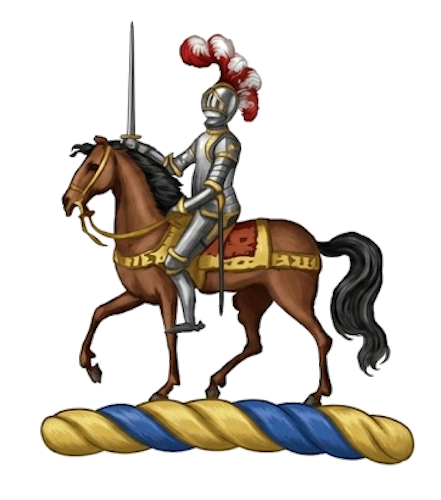
a chevalier (or knight) in full armour on horseback, brandishing a sword.

The crest on Plate 3, Crest 3 (Pl. 3. cr. 3.) is described as a chevalier (or knight) in full armour on horseback, brandishing a sword.

Surnames Associated with this Cresta chevalier (or knight) in full armour on horseback, brandishing a sword

The following surnames are historically associated with this crest:

  • Cock (England)
  • Cocks (England)
  • Flood (England) 
  • Godby (England) 
  • Osbaldeston (Oddington, Gloucestershire; Chadlington, Oxfordshire) 
  • Osboldeston (England)

Symbolism of the Crest

Chevalier (Knight) on Horseback: The image of the mounted knight is the quintessential symbol of chivalry, representing a warrior of high honor, adventure, and heroic endeavor. It often denotes an ancestor who held a command in the cavalry or performed a specific feat of horsemanship in battle. Horse: Signifies readiness for service to king or country, as well as speed, intellect, and spirit. Sword: Represents justice and military honor, indicating the bearer is a defender of the right and possesses the power to punish evil. Armour: Symbolizes protection and invulnerability against the arrows of fortune or the enemy.

General Symbolic Meaning

This crest represents the ultimate martial archetype—the protector and the warrior. It suggests a lineage known for its readiness to ride into conflict for a just cause. It implies not only physical strength and skill in arms but also the discipline required to master the horse, symbolizing the triumph of the will and intellect over base nature. It is a crest of action, leadership, and defense.