The crest on Plate 11, Image 12 (Pl. 11. cr. 12.) is described primarily as a lion rampant situated upon a tower (or castle). There are variations listed under this plate number, including a demi-lion, a lion’s gamb (paw), and a hand holding a sword.
Surnames: 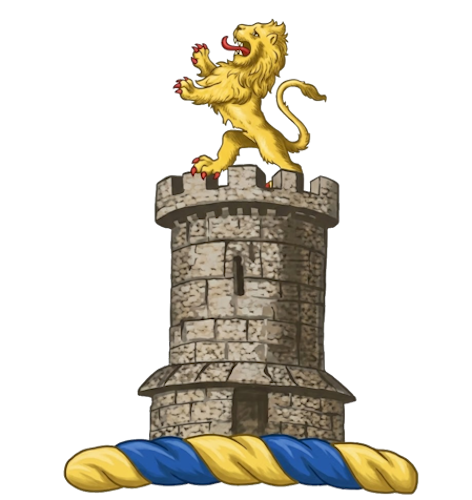
- Andros (England)
- Beyard (England)
- Blithe (London)
- Bound (England)
- Bowker (England)
- Coles (England)
- M’namara (England)
- Marleton (England)
- Middleton (Earl of Middleton)
- Skearne (England)
- Skerne (England)
- Skryne (England)
Symbolism of the Crest Tower: The tower is an emblem of grandeur and society, but more specifically symbolizes defense, safety, and asylum; it is often granted to one who has faithfully held a fort for their sovereign. Lion Rampant: The lion is the beast most widely used in heraldry, symbolizing undying courage, strength, and majesty; the rampant stance indicates a readiness to fight.
General Symbolic Meanings The combination of the lion and the tower suggests a powerful guardian. It implies a lineage that possesses both the strength to fight (the lion) and the stability to protect (the tower). It represents a family or individual who stands as a strong defense for their home, king, or country.
The crest on Plate 11, Image 11 (Pl. 11. cr. 11.) is described as a stork’s, heron’s, or crane’s head erased, holding in its beak an eel, snake, or fish.
Surname: 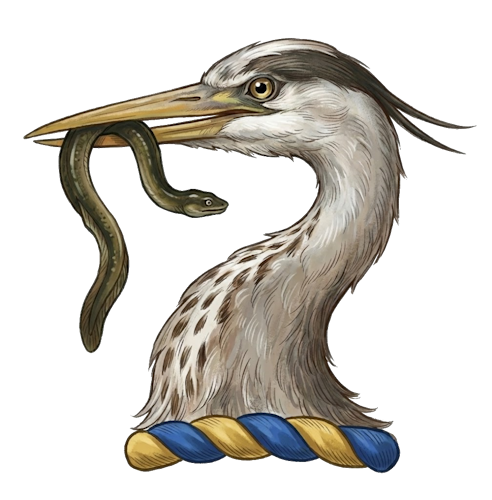
- Boughton (England)
- Brisbane (Brisbane)
- Brisbane (Bishopton)
- Brisbane (Milton)
- Brisbon (Scotland)
- Broughton (England)
- Mercer (London)
- Mercer (Of Aldie)
- Smith (Kedcliff, England)
- Starkey (Derbyshire, England)
- Starkey (Stretton, Cheshire, England)
- Starkey (Oulton, Cheshire, England)
- Starkey (Wenbury, Cheshire, England)
Symbolism Stork / Heron / Crane: These aquatic birds are traditional symbols of filial duty, gratitude, and piety, stemming from the legend that they care for their elderly parents. They also represent a contemplative life and vigilance. Eel / Snake / Fish: The creature held in the beak represents provision, resourcefulness, and the ability to seize opportunities. If interpreted as a snake, it signifies wisdom or the triumph over a venomous adversary.
General Symbolic Meanings The imagery of a bird of the marsh devouring an eel or snake suggests a lineage that is watchful and capable of overcoming slippery or dangerous challenges. It implies a readiness to turn difficulties into sustenance or victory, combining the virtues of patience (waiting for the catch) with decisive action.
The crest on Plate 11, Image 10 (Pl. 11. cr. 10.) is described as a Savage’s (or Saracen’s, Moor’s, or Old Man’s) head affrontée (full-faced), typically couped at the shoulders or neck.
Surnames: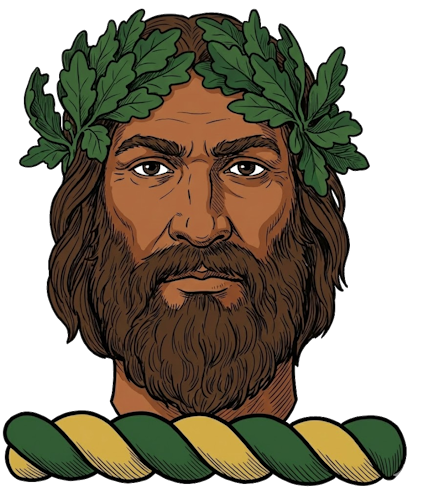
- Ashworth (England)
- Borthwick (Bombay)
- Briscoe (Ireland)
- Buller (Somersetshire)
- Buller (Cornwall)
- Creswell (Northamptonshire)
- Leverye (England)
- Macnab (Scotland)
- Maxwell (of Calderwood)
- Menzies (of that Ilk and Weymes)
- Rayley (England)
- Rochead (Innerleith, Scotland)
- Roughead (Innerleith, Scotland)
- Saint Lo (Chidiock, England)
- Stapylton (England)
Savage’s / Saracen’s / Moor’s Head: The head of a “savage” or Saracen, often depicted affrontée (facing forward), is a traditional heraldic symbol frequently associated with military prowess, particularly denoting ancestors who fought in the Crusades or engaged in significant combat. Affrontée: The full-faced position signifies a warrior who faces enemies directly without fear, representing courage, honesty, and a refusal to turn one’s back on danger. Couped / Erased: When the head is “couped” (cut cleanly) or “erased” (torn off), it emphasizes victory over a formidable opponent or the severing of ties to enemies.
This crest represents a lineage rooted in martial history and direct confrontation. The human head, particularly of a warrior or “wild man,” suggests raw strength, vitality, and the triumph of the bearer over adversity. It implies a family history of defending honor and territory with unflinching resolve.
The crest on Plate 11, Image 9 (Pl. 11. cr. 9.) is described primarily as an increscent and a decrescent moon (often affrontée/facing each other), though some variations associated with this plate number depict a man’s or savage’s head looking upward.
Surnames: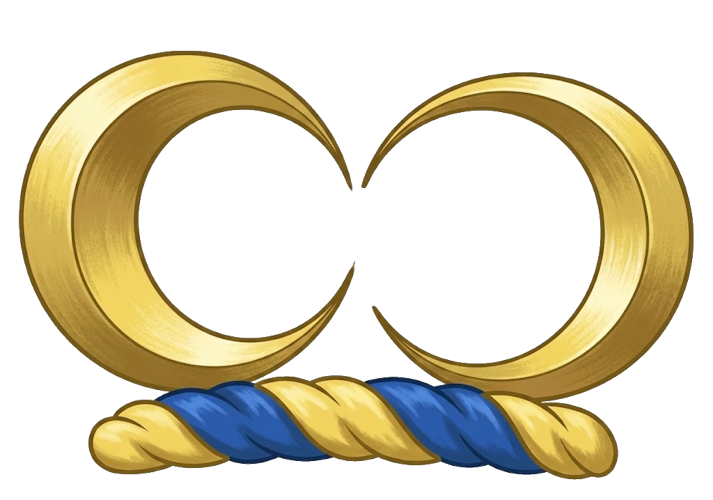
- Balliol
- Bayol (Scotland)
- Cor (Scotland)
- Meek (Scotland)
- Meik (Of Leidscassic)
- Renshaw (England)
Symbolism of the Crest Increscent and Decrescent Moons: The moon in heraldry signifies one who has been enlightened and honored by their sovereign. The combination of the Increscent (waxing) and Decrescent (waning) moons represents the cycle of life, the passage of time, and the balance of power. When placed Affrontée (facing each other), it often symbolizes concord, unity, or the coming together of two distinct forces. The crescent generally is associated with hope and great glory to come.
General Symbolic Meanings The celestial imagery of the moon in its various phases suggests a family that values guidance, hope, and spiritual or temporal enlightenment. The facing moons imply a desire for harmony and the understanding of natural cycles, indicating a lineage that endures through the waxing and waning of fortunes.
The crest on Plate 11, Crest 8 (Pl. 11. cr. 8.) is described as a man’s head couped, bearded, and looking upward (often blazoned as a “Savage’s Head” or “Saracen’s Head”).
Surnames Associated with this Crest: 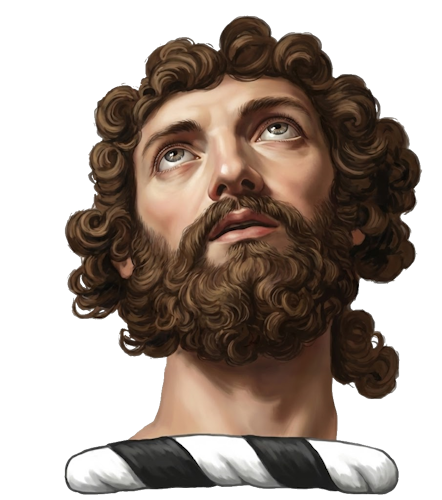
- Kirkaldie (England)
- Kirkkaldy (Grange)
- M’Taggart (Scotland)
- McTaggart (Scotland)
- Newarke (England)
- Sorrell (England)
Symbolism of the Crest Man’s Head (Savage or Saracen): The human head, particularly when described as a “Savage” or “Saracen,” is a symbol of honor won in battle, often representing a vanquished enemy or a feat of strength. It can also symbolize wisdom and intellect. Looking Upward: The upward gaze is a powerful symbol of divine reliance, hope, and spiritual devotion, suggesting that the bearer looks to the heavens for guidance or strength rather than relying solely on earthly power. Bearded: A beard traditionally signifies age, experience, and masculine dignity.
General Symbolic Meaning The combination of a warrior-like head with an upward gaze creates a dual meaning of martial prowess tempered by piety. It suggests a lineage that values strength and courage in conflict (represented by the head) but remains humble and guided by higher principles or faith (represented by the gaze directed toward heaven).
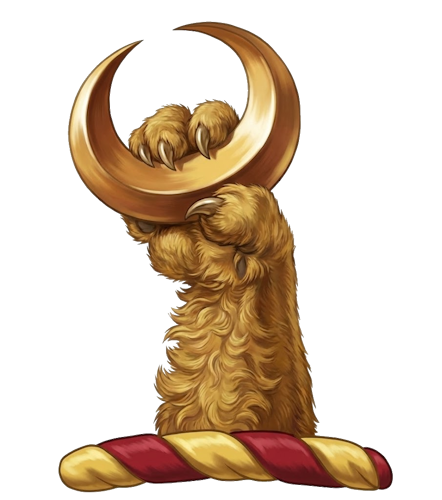
The crest on Plate 11, Crest 7 (Pl. 11. cr. 7.) is described as a lion’s paw (or gamb) erect, holding or supporting a crescent.
Surnames:
- Flanagan (Ireland)
- Godsaloc (England)
- Godschall (England)
- Herriot (England)
- Herriott (England)
- Leche (England)
- M’Pherson (England)
- Macpherson (England)
- Martin (Scotland)
- Morice (England)
- Newsam (England)
- Uptan (England)
Symbolism
Lion’s Paw (or Gamb): The lion is the king of beasts, and its paw or limb represents strength, bravery, and the power to seize opportunity or defend one’s kin. Cat’s Paw: In variations such as Macpherson, the cat symbolizes liberty, vigilance, and courage, often associated with the motto “Touch not the cat but a glove.” Crescent: The crescent moon is a symbol of hope and “increase” (growth and prosperity); historically, it also signified one who has been honored by the gracious aspect of their sovereign.
General Symbolic Meaning
This crest combines the emblem of physical power and defense—the limb of the lion or cat—with the celestial symbol of the crescent moon. It suggests a family character defined by the strength to protect and the hopeful anticipation of future prosperity, honor, and rising fortunes.
The crest on Plate 11, Image 6 (Pl. 11. cr. 6.) is described primarily as a wolf’s head (often erased or couped).
Surnames: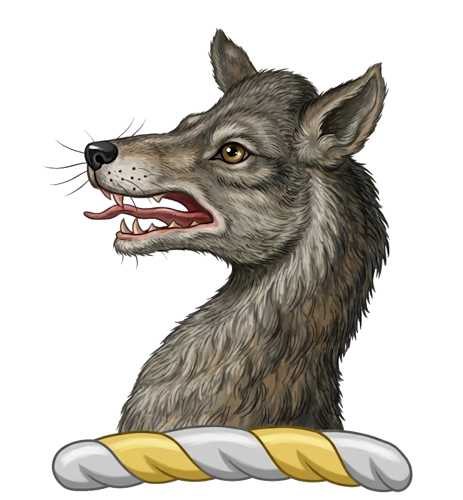
- Barrye (Devonshire)
- Belhouse (England)
- Borminghall (England)
- Cattle (Lancashire)
- Chibnall (Northamptonshire)
- Chibnall (Buckinghamshire)
- Chibnall (Bedfordshire)
- Clopton (Clopton, Suffolk)
- Delahay (Herefordshire)
- Dounies (England)
- Dowies (Norfolk)
- Downes (Debnam, Suffolk)
- Downes (Great Melton, Norfolk)
- Isherwood (England)
- Jefferson (England)
- Lawrance (Foxhall, Gloucestershire)
- M’Quin (England)
- Malkin (England)
- Morton
- Munday (Marketon, Derbyshire)
- Mundy (Marketon, Derbyshire)
- Pratt (Norfolk, England)
- Putnam (Bedfordshire, England)
- Putnam (Penn, Buckinghamshire, England)
- Puttenham (Sherfield, Hampshire, England)
- Puttenham (Bedfordshire, England)
- Puttenham (Fen, Buckinghamshire, England)
- Seal (England)
- Skottowe (England)
- Swanston (Scotland)
- Thorogood (Hornechurch, Essex, England)
- Thorogood (Thorowgood, Hertfordshire, England)
- Thorogood (Shartfield, Hertfordshire, England)
- Thorow Good (Shartfield, Hertfordshire, England)
- Thorowgood (Thorowgood, Hertfordshire, England)
- Wilbraham (Cheshire, England)
Symbolism
Wolf’s Head: The wolf is a traditional heraldic symbol of vigilance and hard work. It was often granted to those who achieved their status through dangerous enterprise or perseverance in long sieges. As a predatory animal, it signifies valor and guardianship. Erased/Couped: If the head is “erased” (jagged edges), it suggests the limb was torn off with great strength, emphasizing the ferocity of the bearer; “couped” (straight line) indicates a clean cut.
General Symbolic Meanings
The prevalence of the wolf’s head in this crest suggests a lineage that valued martial prowess and unyielding perseverance. The wolf is an animal that does not give up easily, implying that the families bearing this crest were known for their tenacity and ability to endure hardship to achieve their goals.
The crest on Plate 11, Image 5 (Pl. 11. cr. 5.) is described as a cat (often a wildcat or mountain cat) in a sejant (sitting) position, often gardant (looking full-faced at the viewer). Some descriptions denote it specifically as a pole-cat or mountain cat.
Surnames: 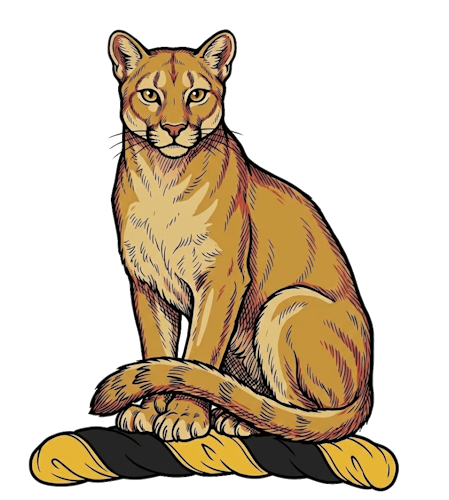
- Baillie (Rosehall)
- Bruzead (England)
- Burke (Ireland)
- Burke (Lord Naas, Ireland)
- Kyme (England)
- M’gilevray (Scotland)
- Mackintosh (Scotland)
- Mackpherson (Scotland)
- M’pherson (Inverasy, Bart)
- M’pherson (Clunie)
- M’pherson (Pitmean)
- Palmer (Scotland)
- Sutherland (Dyne, Scotland)
Symbolism of the Crest Cat / Wildcat: The cat is a widely recognized symbol of liberty, vigilance, and courage. In heraldry, particularly within Scottish Highland clans (such as Clan Chattan), the wildcat represents a fierce and untamable spirit, often accompanied by the motto “Touch not the cat but a glove.” Sejant: The term “sejant” refers to the animal in a sitting position, signifying patience, stability, and a composed readiness. Gardant: This indicates the head is turned to face the viewer, symbolizing watchfulness and a direct challenge to any who might approach with ill intent.
General Symbolic Meanings The image of the cat, particularly the mountain cat or wildcat, suggests a lineage characterized by independence and ferocity in defense of their honor and territory. It implies a family that may appear peaceful or composed (sitting) but possesses sharp agility and dangerous capability when provoked. It combines the virtues of stealth, keen observation, and an undying spirit of resistance against oppression.
The crest on Plate 11, Image 4 (Pl. 11. cr. 4.) is described as a demi-griffon (or griffin), often depicted rampant, segreant, or with wings expanded (variations include holding a cross, wings indorsed, or gutteé).
Surnames: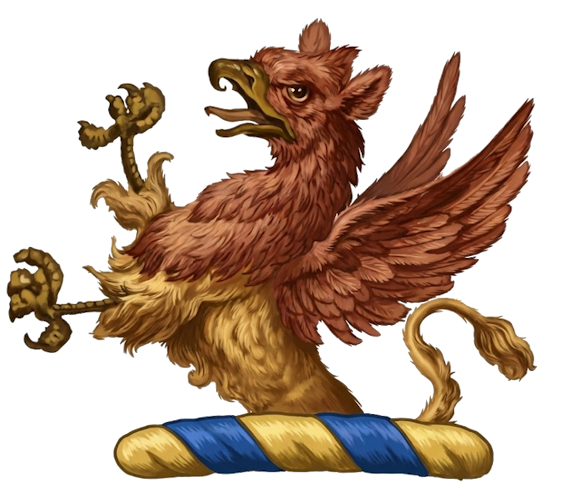
- Akarys (England)
- Akaster (England)
- Aunger (London)
- Ballantyne (Scotland)
- Ballard (England)
- Bannatyne (Scotland)
- Blackmore (England)
- Bradfoot (Scotland)
- Bradfute (Scotland)
- Braidfoot (Scotland)
- Cater (Berkshire)
- Cater (Huntingdonshire)
- Cater (Leicestershire)
- Cater (London)
- Chetum (Clayton, Lancashire)
- Cockshutt (Lancashire)
- Cockshutt (Shropshire)
- Cuff (England)
- Diddier (England)
- Dugdale (England)
- Forsyth (Nidie)
- Forsyth (Failzerton)
- Gillam (England)
- Godfrey (England)
- Grantham (Gotho, Lincolnshire)
- Greenhill (London)
- Greenhill (England)
- Hall (Dundee)
- Hancocke (Combe Martin, Devonshire)
- Hanger (Earl of Coleraine)
- Holmes (Hamphall, Yorkshire)
- Lane (Twickenham, Middlesex)
- Lesly (Earl of Rothes)
- Lewis (Sutton Magna, Shropshire)
- M’George (Scotland)
- M’Haffie (Scotland)
- Majorebanks (Scotland)
- Marjoribanks (Bowbardie)
- Meverell (Throwley, Staffordshire)
- Morley (England)
- Morwell
- Mountstephen (Colompton, Devonshire)
- Mountsteven (Devonshire)
- Newcourt (Pickwell, Devonshire)
- Niven (Shonsburgh)
- Orme (Fifeshire)
- Pateshall (Laford, Herefordshire)
- Pigeon (Deptford, Kent)
- Randall (Ireland)
- Reeves (England)
- Regan (Ireland)
- Rix (England)
- Rosson (England)
- Scot (Sussex)
- Scot (Scotshall, Kent)
- Shadwell (England)
- Steadman (England)
- Swayne (Gundvile, Dorsetshire)
- Swayne (Blandford, Dorsetshire)
Symbolism
Demi-Griffon (or Griffin): The griffon is a mythical creature combining the head, wings, and talons of an eagle with the body of a lion. It is a powerful symbol of vigilance, bravery, and strength, representing the combined qualities of the king of beasts and the king of birds. As a guardian of treasure in mythology, it signifies a safe-keeper and a warrior who is both watchful and valiant. The “demi” aspect refers to the upper half of the creature, maintaining the full symbolic weight of the beast while indicating a specific lineage or cadet branch in some contexts.
General Symbolic Meanings
The griffon represents a perfect fusion of intelligence and physical power. It suggests a lineage known for its boldness in action and its unwavering protection of its home and honor. The presence of specific variations, such as holding a cross or being “segreant” (ready to fly/fight), adds layers of meaning related to religious faith or readiness for battle.
The crest on Plate 11, Crest 3 (Pl. 11. cr. 3.) is described as a sheaf of arrows (varying in number, typically five or seven) enfiled with (passing through) a ducal coronet.
Surnames: 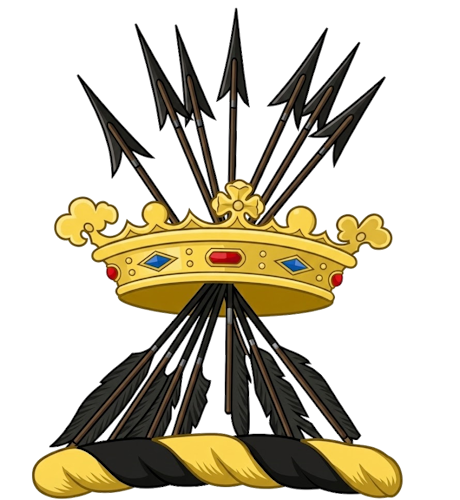
- Arrowsmith (Suffolk)
- Boatfield (England)
- Windsor (England)
Symbolism
-
Arrows / Sheaf of Arrows: Arrows generally symbolize martial readiness, swiftness, and acuity. When bound together in a sheaf or bundle, they represent strength in unity, resilience, and preparedness for battle, suggesting that while one arrow may be broken, a bundle is unbreakable. In the specific case of the surname “Arrowsmith,” this is likely a canting crest (a pun on the name).
-
Ducal Coronet: The ducal coronet in heraldry (often distinct from the rank of Duke when used in crests) generally signifies high dignity, nobility, or a reward for service.
-
Enfiled: This term describes the arrows passing through the coronet, suggesting a union of martial skill with noble status or authority.
General Symbolic Meaning
The combination of weapons of war (arrows) and a symbol of nobility (the coronet) suggests a lineage that maintains its dignity and status through readiness and strength. It implies a family prepared to defend its honor and authority, combining the martial virtues of the warrior with the elevated status of the noble.