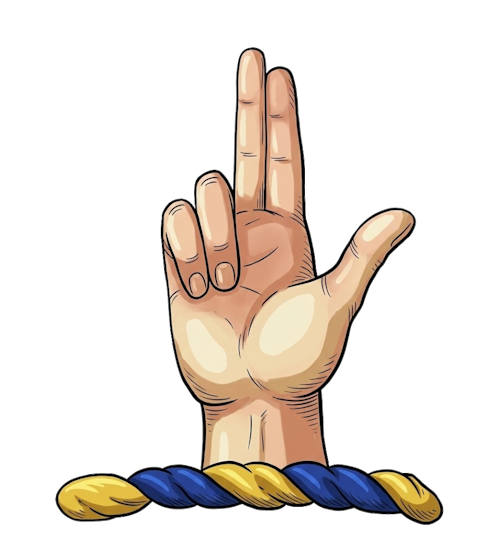
a dexter hand pointing upwards with the thumb and two forefingers

The crest on Plate 1, Crest 12 (Pl. 1. cr. 12.) is described as a dexter hand pointing upwards with the thumb and two forefingers (often resembling a hand in benediction); one variation listed is a palm branch.
Surnames:

a dexter hand pointing upwards with the thumb and two forefingers


  • Be [Earl of Kilmarnock] (Scotland) 
  • Boyd [Earl of Kilmarnock; in Edinburgh] 
  • Innes [Edingight] (Scotland) 
  • Kassie (England) 
  • Miller [of Barskimming] (Scotland) 
  • Miller [of Glenlee, Bart] (Scotland) 
  • Simpson (Scotland) 
  • Tough (Scotland) 

Symbolism Hand in Benediction: The hand pointing upwards with two fingers extended is traditionally known as the “Hand of Benediction.” It symbolizes faithtruth, and a witness to the truth, often implying a solemn pledge or oath. It also directs the mind towards heaven and divine providencePalm Branch: For the variation associated with the surname Innes, the palm branch is a historic symbol of victorytriumph over adversity, and righteousness, often associated with returning from a pilgrimage or conquering difficulties.

General Symbolic Meaning The prevailing theme of this crest is one of spiritual confidence, integrity, and ultimate victory. It suggests a lineage that values their word as their bond, placing their trust in higher powers (as seen in the mottos “Confido” – I trust, and “Manent optima cælo” – The best things await in heaven), while maintaining a posture of righteousness and hope.
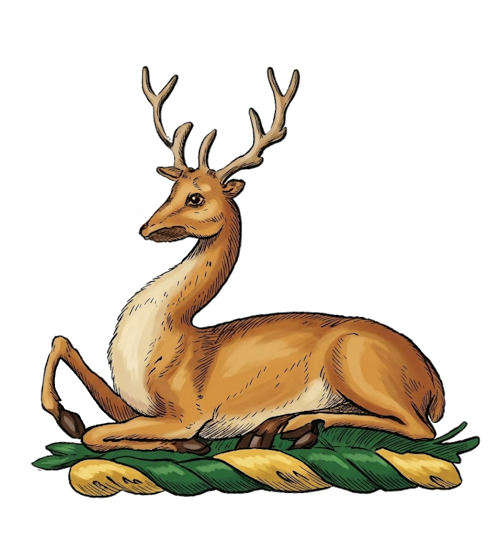
a stag (or hart/buck) lodged (lying down)

Plate Number and Description The crest on Plate 1, Image 11 (Pl. 1. cr. 11.) is described as a stag (or hart/buck) lodged (lying down), often depicted proper (natural colors), though specific family variations include different tinctures (sable, argent, gules) or additions such as being attired (antlers) or gorged (collared).

This image is available via Instant Dowload @ Etsy

Surnames Associated with this Crest:

  • Agmondisham (Surrey)a stag (or hart/buck) lodged (lying down)
  • Agmundesham (England)
  • Blair (Scotland)
  • Brun (Kent)
  • Cocks (Worcester)
  • Coggeshall (Suffolk)
  • Crickman (England)
  • Denoon (Scotland)
  • Gallant (England)
  • Gordon (Scotland)
  • Graeme (Scotland)
  • Graham (Scotland)
  • Gullan (Scotland)
  • Hollingworth (Cheshire)
  • Hollingworth (Leicestershire)
  • Karbyll (England)
  • Macartney (England)
  • Medford (England)
  • Milman (Devonshire)
  • Perrin (England)
  • Scott (Scotland)
  • Simmer (Scotland)
  • Skat (Scotland)
  • Symmer (Scotland)
  • Van (England)
  • Wroughton (England)

Symbolism of the Crest Stag (Buck/Hart): The stag is a very ancient heraldic symbol representing one who is politic, a lover of music, and a person who creates opportunities. It is often associated with purity, fleetness, and longevity. Lodged: This specific posture (lying down with the head held up) signifies a state of rest and peace, yet with a wakeful vigilance. It implies that the bearer is of a peaceful disposition (“Cubo ut excubo” — I rest as I watch) but remains ready for action if disturbed. Attires (Antlers): The antlers symbolize strength and fortitude, suggesting that the peace enjoyed by the family is protected by strength.

General Symbolic Meaning The image of the Stag Lodged generally symbolizes a lineage that values harmony and tranquility but possesses the inherent strength to defend itself. It suggests a family that is “at rest” or established in their position, portraying a sense of security, watchfulness, and a connection to nature and the hunt. It is the emblem of a person who will not fight unless provoked, but when they do, they fight with dignity and strength.

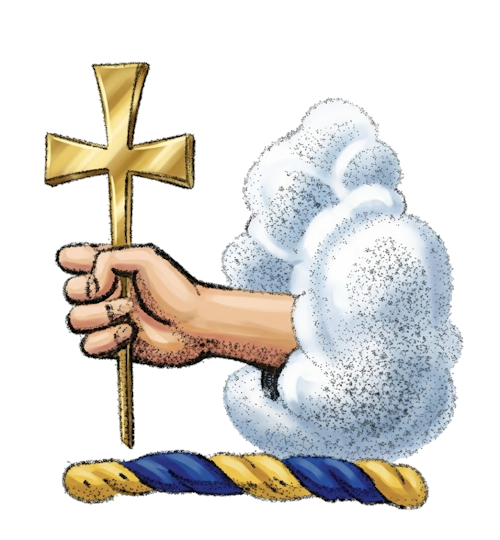
a dexter hand issuing from a cloud fessways, holding a cross patée fitchée

The crest on Plate 1, Image 10 (Pl. 1. cr. 10.) is described as a dexter hand issuing from a cloud fessways, holding a cross patée fitchée.

This image is available via Instant Dowload @ Etsy

Surnames:a dexter hand issuing from a cloud fessways, holding a cross patée fitchée.

  • Balderstone (Scotland)
  • Baldersloun (Scotland)
  • Balderstoun (Scotland)
  • Bennet (Grubet, Bart.) 
  • Cornelius (England) 
  • Donald (England)
  • Genny 
  • Jeny (England)
  • Myreton (Scotland) 
  • Myrtoun (Scotland)

Symbolism of the Crest Cloud: In heraldry, a cloud often signifies mystery, the veil of heaven, or a divine source, suggesting that the arm or object issuing from it comes from a higher power. Hand (Dexter): The right hand is the pledge of faith, sincerity, and justice; seeing it issue from a cloud emphasizes divine sanction or support. Cross Patée Fitchée: The “Cross Patée” (spreading at the ends) is associated with military honor and the Crusades. The term “fitchée” means sharpened at the base, allowing it to be fixed in the ground; this symbolizes unshakeable faith, determination, or a rallying point for Christian warriors.

General Symbolic Meaning The combination of the hand issuing from the clouds and the sharpened cross suggests a lineage or individual guided by divine providence in matters of faith and war. It implies a readiness to take a stand for one’s beliefs, symbolizing a “crusading” spirit, whether literal or metaphorical, and a steadfast commitment to defending one’s principles against all odds.

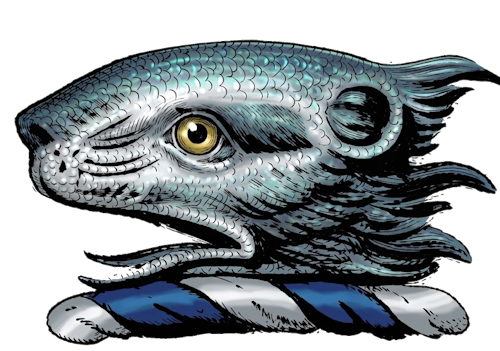
a fish’s head (or whale’s head) erased in fess (lying horizontally)

The crest on Plate 1, Image 9 (Pl. 1. cr. 9) is described as a fish’s head (or whale’s head) erased in fess (lying horizontally)

This image is available via Instant Dowload @ Etsy

Surnames:a fish's head (or whale's head) erased in fess (lying horizontally)

  • Garling (England)
  • Robsert (England)
  • Whalley (Norton, Leicestershire)
  • Whalley (Whalley, Lancashire)
  • Whalley (Kirton, Nottinghamshire)

Symbolism of the Crest:
Fish (or Whale’s) Head: In heraldry, the fish is generally a symbol of industry and science, while also denoting a connection to the waters, potentially signifying a family of maritime importance or naval service. The Whale specifically is often cited as a symbol of patience and understanding. Erased: The term “erased” describes the head as having a jagged edge at the neck, as if torn forcibly from the body; this is a common heraldic stylization implying strength, victory, or the capacity to sever enemies. Fessways: This indicates the head is lying horizontal, a position of rest or watchful waiting.

General Symbolic Meanings:
The image of the fish or whale’s head suggests a lineage characterized by perseverance and a close relationship with the sea or large bodies of water. It implies a silent strength—capabilities that lie beneath the surface—and a readiness to navigate the “oceans” of life with industry and patience. If the specific variation is the Whale, it may also allude to vastness and the ability to weather great storms.

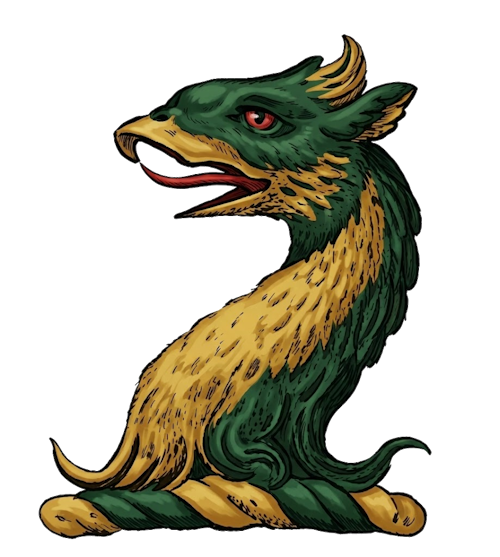
Griffon’s head erased

The crest on Plate 1, Image 8 (Pl. 1. cr. 8.) is described as a griffon’s head erased (sometimes described as a gryphon’s head erased, and occasionally varying in color or having items like a collar or drops of blood/tears depending on the specific family).

This image is available via Instant Dowload @ EtsyGriffon's Head Erased

Surnames:

  • Acheley (England)
  • Acworth (England)
  • Allen (England)
  • Baynton (Wiltshire)
  • Bayntun (England)
  • Bayntun Rolt (Wiltshire)
  • Blesby (Lincolnshire)
  • Bligh (Ireland / England)
  • Bowles (Shaftsbury)
  • Browne (England)
  • Bryne (England)
  • Catton (England)
  • Cudmore (Essex)
  • Dashwood (England / Oxfordshire)
  • Ednor (England)
  • Gardener (Norfolk / Cambridgeshire / Dorsetshire / Berkshire)
  • Griffeth (England)
  • Ingram (Scotland)
  • Jackman (Durham / Hereford / Buckinghamshire / Huntingtonshire / Essex)
  • Johnston (England)
  • Kennicot (England)
  • Lyne (Sussex / Hampshire)
  • Micklethwaite (Sussex)
  • Milleham (Norfolk)
  • Moniton (England)
  • Patten (Lincolnshire / England)
  • Peryan (Hertfordshire)
  • Reade (London / England)
  • Richards (Hampshire)
  • Ricroft (Lancashire)
  • Rossington (Derbyshire)
  • Roycroft (Lancashire)
  • Ryan (Ireland)
  • Rycroft (Yorkshire)
  • Sinclair (Scotland)
  • Smith (Somerset)
  • Stump (Wiltshire)
  • Sybsey (Norfolk)
  • Tempest (Yorkshire)
  • Tilney (Cambridgeshire)
  • Todrick (Scotland)
  • Treacher (England)
  • Trentham (Staffordshire)
  • Trinity College (Oxford)
  • Waldo (England)
  • Walsh (Berkshire / Worcestershire)
  • West (Sussex / Cornwall)
  • White (Cornwall)

Griffon (Gryphon): The griffon, a legendary creature with the body, tail, and back legs of a lion and the head and wings of an eagle, denotes a combination of courage and strength with vigilance and swiftness. It is often considered a guardian of treasure and a symbol of valor, signifying a warrior who is as bold as a lion and as swift as an eagle. Erased: The term “erased” means the head appears torn off with jagged edges (as opposed to “couped,” which is a clean cut). In heraldry, this often signifies that the crest was won through strength of arms or a violent feat of endurance, suggesting the bearer is a survivor of difficult battles.

General Symbolic Meanings: The griffon’s head represents a powerful duality of nature—combining the king of beasts and the king of birds. It suggests a lineage that values both physical prowess and sharp intellect or spiritual vision. As a guardian figure, the griffon implies protection, watchfulness, and a fierce defense of one’s kin and rights.

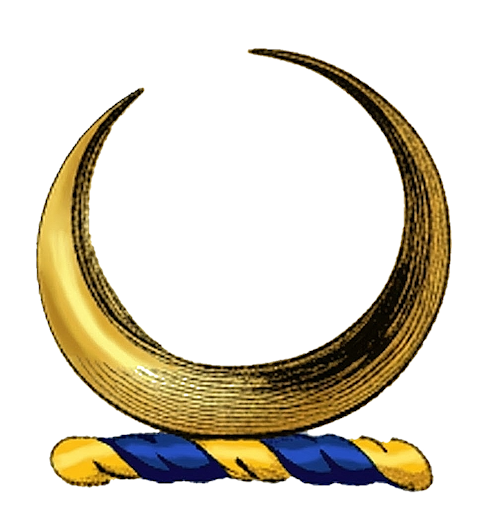
a crescent (sometimes specified as argent, or, gules, or azure)

The crest on Plate 1, Image 7 (Pl. 1. cr. 7.) is described as a crescent (sometimes specified as argent, or, gules, or azure).

This image is available via Instant Dowload @ Etsy

Surnames:

  • Anderson (Wheeburgh)
  • as a crescent (sometimes specified as argent, or, gules, or azure)Anderson (Edinburgh)
  • Anderson (Edinburgh)
  • Arnet (Scotland)
  • Arnot (Balcormo)
  • Arnot (Arlary)
  • Arnut (Scotland)
  • Baillie (Manorhall)
  • Baillie (Scotland)
  • Balfour (Denmilne)
  • Balfour (Randerston)
  • Bestow (England)
  • Burnside (Whitelaw)
  • Dalhurst
  • Dallas (Edinburgh)
  • Dallas (Stafford)
  • Dobbie (Scotland)
  • Gordon (New Wark)
  • Hamilton (Bargenie)
  • Hamilton 
  • Holyoke (England)
  • Kidd (Scotland)
  • Kilgour (Scotland)
  • Kimpton (England)
  • Kyd (Scotland)
  • Leask (Scotland)
  • Leslie (Powis)
  • Lube (London)
  • M’Kenzie (Hinden)
  • Melville (Scotland) 
  • Melvill
  • Menzies (Edinburgh)
  • Motherwell (Scotland)
  • Myrtoun (Scotland)
  • Oliphant (Scotland) 
  • Otter (Huntingdonshire)
  • Perwiche (England)
  • Romerly (England)
  • Scot (Scotland)
  • Scougal (Scotland)
  • Seaton (Scotland) 
  • Seton (Scotland) 
  • Smith (Scotland) 
  • Sommerville (Scotland)
  • Souter (Scotland)
  • Tennant (Scotland)
  • Tottenham (England)
  • Trent (England)
  • Tringham (England)
  • Watt (England)

Symbolism of the Crest:
Crescent: The crescent moon is a prominent heraldic symbol representing enlightenment, growth, and promise. Derived from the Latin crescere (to grow), it signifies one who has been enlightened and honored by the gracious aspect of his sovereign. It is also the specific heraldic mark of cadency for the second son, representing the hope of greater glory and the potential to build his own fortune distinct from the primary heir.

General Symbolic Meanings:
The crescent is strongly associated with hope and increase (as seen in associated mottos such as “God gives increase” or “Donec rursus impleat orbem”—”Until it fill the world again”). It implies a lineage that is rising or aspiring to higher things. Historically, it was also associated with the Crusades, often adopted by those who had returned from the East, symbolizing victory or safe return, though its meaning of “increase” is more universal in domestic heraldry.

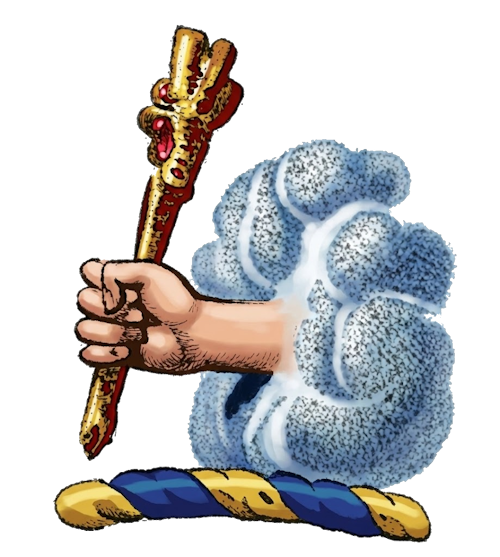
a hand (often dexter and fessways) issuing from a cloud, holding a club, proper

The crest on Plate 1, Crest 6 (Pl. 1. cr. 6.) is described as a hand (often dexter and fessways) issuing from a cloud, holding a club, proper.

a hand (often dexter and fessways) issuing from a cloud, holding a club, proper

This image is available via Instant Dowload @ Etsy

Surnames:

  • Fitz Symond (England)
  • Fitz Wister (England)
  • Freet (England)
  • Gemon (England)
  • Gemoun (England)
  • Gemun (England)
  • Hurwood (England)
  • Knight (England)
  • Lillie (Scotland)

Symbolism of the Crest Hand issuing from a cloud: In heraldry, a hand emerging from a cloud typically represents divine providence, guidance from above, or a mysterious source of power. It suggests that the bearer’s actions are sanctioned or supported by a higher authority. The Club: This is a classic emblem of strength, fortitude, and authority, often associated with Hercules; it signifies the capacity to defend, punish, or enforce justice through physical power. Proper: When described as proper, the elements are depicted in their natural colors, emphasizing a grounding in reality.

General Symbolic Meanings The combination of the arm emerging from the clouds grasping a club suggests a lineage that relies on divine or providential strength to overcome obstacles. It implies that the bearer possesses a “hidden strength” or authority that is revealed when necessary to defend justice, maintain order, or crush opposition.

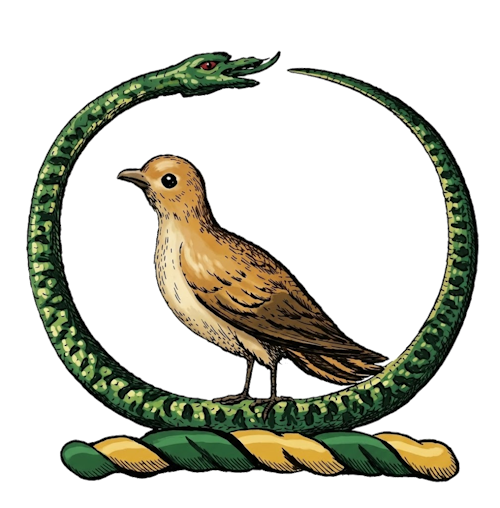
is described as a dove standing within (or upon) a snake (or adder) disposed in a circle (orleways) or coiled

Surnames Associated with this Crest:

a dove standing within (or upon) a snake (or adder) disposed in a circle (orleways) or coiled.

This image is available via Instant Dowload @ Etsy

  • Aberbuthnet (Scotland)
  • Arbuthnot (Scotland)
  • Borough (England)
  • Deale (England)
  • Gulland (Scotland)
  • Lant (England)
  • Lethim (Scotland)
  • Spirye (England)
  • Sprye (England)
  • Thomkins (England)

Symbolism of the Crest:
Dove: The dove is a universal symbol of peace, purity, and innocence, often associated with the Holy Spirit and a gentle nature. Serpent (or Adder): The serpent is a classic emblem of wisdom, prudence, and vigilance; when arranged in a circle (orleways), it can also represent eternity or the cyclical nature of life. Dove within Serpent: This specific composition is a visual representation of the biblical proverb to be “wise as serpents and harmless as doves,” signifying a balance of sharp intellect with moral integrity.

General Symbolic Meaning”
The combination of the innocent dove and the wise serpent suggests a bearer who values prudence and foresight but exercises them without malice. It implies a lineage that prides itself on navigating the complexities of life with wisdom while maintaining a peaceful and blameless character, achieving success through integrity rather than aggression.

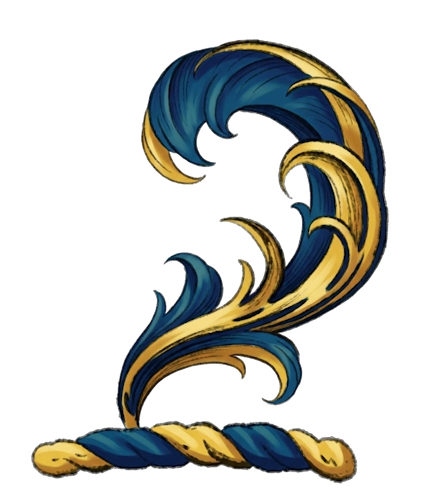
A branch of palm erect, proper

A branch of palm erect, proper

Surnames Associated with This Crest:

  • Archbald (Scotland)
  • Archer (England) 
  • Archibald (Scotland) 
  • Crawford (Renfrewshire) 
  • Lithgow (Scotland) 
  • Montgomery (of Broomlands) 
  • Paterson (Scotland) 
  • Porterfield (Of That Ilk Renfrewshire) (Scotland) 
  • Small (Of Cumehall) (Scotland) 
  • Thompson (Merchant, Hamburg) (England) 
  • Thomson (Hamburg) (England) 
  • Thomson (Of Mains) (Scotland) 
  • Tompson (England) 

Symbolism of Each Crest: Palm Branch (or Branch of Palm) / Erect: The palm branch is an ancient and universal symbol, denoting victorytriumphpeace, and eternal constancy or resurrection. Its long-held association with the Holy Land and martyrs gives it a meaning of immortality and righteousness. The position “erect” emphasizes the upright, victorious quality. The palm tree is also an emblem of fame and justice.

General Symbolic Meanings: The various associations and mottos overwhelmingly link this crest to a family lineage highly valued for its peaceable yet persevering qualities. The foundational symbol is victory and virtue (palm branch), consistently supported by mottos that stress attributes like enduring faith, resilience under pressure, patient conquest, and honorable conduct over force. This suggests a heritage of individuals who achieved success through moral strength and steadfastness rather than sheer aggression.

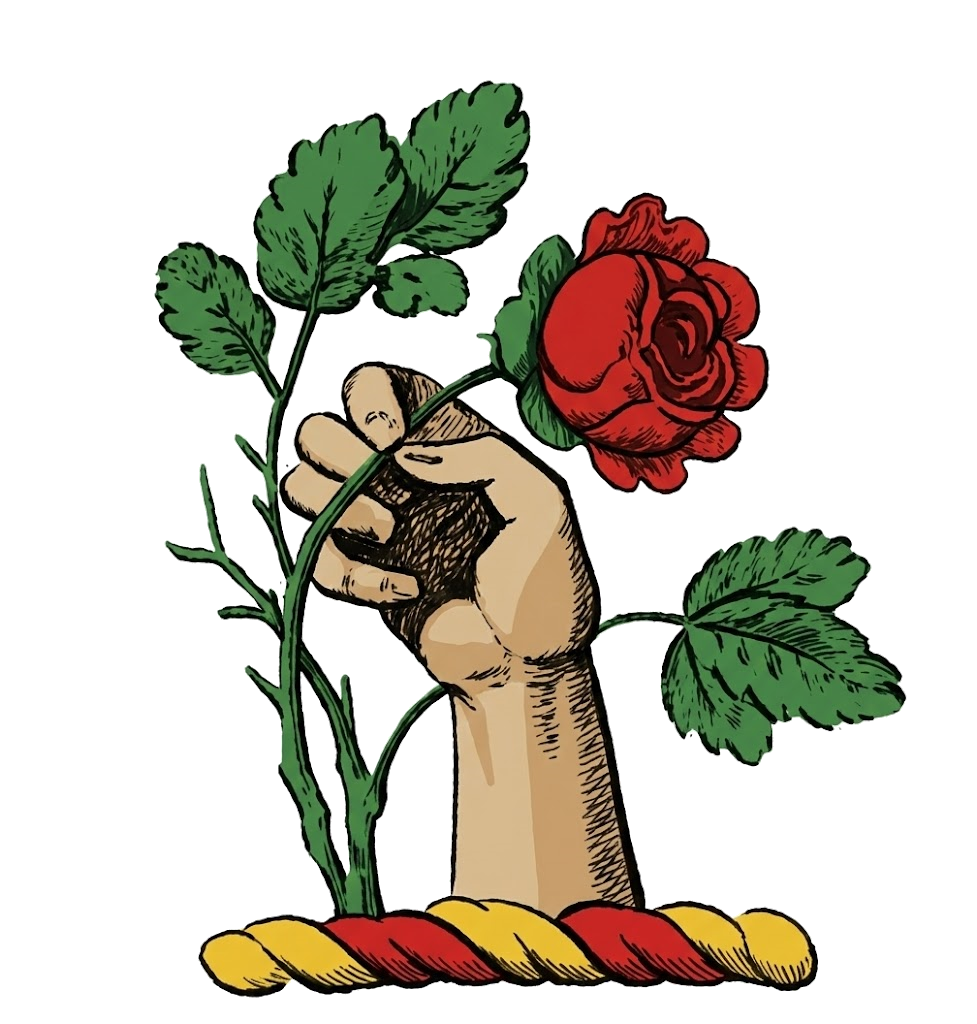
Hand (or Arm) pulling or plucking a rose (or cinquefoil) from a bush (or wreath).

The crest on Plate 1, Image 2 (Pl. 1. cr. 2.) is described as a variation of a hand issuing from the wreath plucking a rose from a bush, proper.

📜 Associated Surnames

  • Aiton (that lik, Scotland, Bart)a hand issuing from the wreath plucking a rose from a bush, proper
  • Aiton (Dunmure)
  • Flemyng (England)
  • Fresell (England)
  • Fresill (England)
  • Girdier (England)
  • Hamelen (England)
  • Hamelin (England)
  • Hamelyn (England)
  • Hamelyne (England)
  • Hamelyng (England)
  • Hamilton (Killbrachmonth)
  • Hardman (England)
  • Loudon (Scotland)
  • Loudon (Scotland)
  • Ross (Scotland)
  • Ross (Scotland)
  • Tilson (England)
  • Tilson (England)

Purchase This Image on Etsy  (Instant Download)

🌹 Crest Symbolism

  • Hand (Dexter Hand/Arm Issuing): The hand is one of the most fundamental symbols in heraldry, often representing faith, sincerity, justice, or labor. “Issuing from the wreath” means the hand is rising out of the twisted silk of the wreath or torse atop the helmet.

  • Rose/Cinquefoil from a Bush/Wreath (Plucking/Pulling): The rose is the most renowned floral symbol, generally representing beauty, grace, love, and hope. The act of plucking a rose suggests the attainment of something desirable, sometimes with the risk implied by the thorns (though not explicitly mentioned in the crest description, it is implied by the “bush”). The cinquefoil, or five-leafed grass, is sometimes an equivalent or substitute for the rose, carrying connotations of hope and joy.

  • Motto: Many associated families, such as Aitken, use the motto Decerpta dabunt odorem (Plucked things will give fragrance). This reinforces the idea that true worth or honor (the fragrance) is sometimes achieved only through effort, struggle, or even sacrifice (the plucking/courage to grasp the rose).

🌟 General Symbolic Meanings

This crest primarily conveys a theme of purposeful action and the attainment of reward through effort. The hand is actively reaching for and grasping the desired object (the rose/cinquefoil). Combined with the mottos of some families (“Plucked things will give fragrance,” “Constant and true”), the crest suggests a character that is resolved, brave, and dedicated to obtaining beauty, grace, or honor, often at the risk of enduring hardship (the thorns/effort).