The crest on Plate 3, Image 4 (Pl. 3. cr. 4.) is described as a stork’s or crane’s head erased (torn off at the neck with a jagged edge).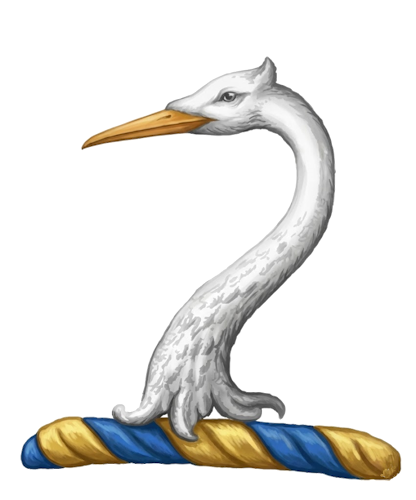
Surnames:
- Bill (England)
- Bussel (England)
- Cranston (Scotland)
- Kinder (England)
- Kuzmin (England)
- Ryley (England)
Symbolism of the Crest
Stork / Crane: In heraldry, the stork and crane are widely recognized symbols of filial piety, gratitude, and duty. It was believed in antiquity that these birds took diligent care of their elderly parents, making them emblems of a grateful, loving, and loyal heart. The crane is also a symbol of vigilance. Erased: The term “erased” refers to the head being torn from the body leaving a jagged edge (as opposed to “couped” or cut straight). This artistic distinction often signifies strength or a limb lost victoriously in battle, implying that the family’s virtues are defended with vigor.
General Symbolic Meaning
The combination of the stork or crane with the “erased” neck suggests a lineage that values deep family bonds and moral duty, while possessing the strength to protect them. It implies a readiness to be vigilant and dutiful, blending the gentle nature of parental care with the fierce resilience required to maintain the family’s honor and safety.