The crest on Plate 3, Crest 3 (Pl. 3. cr. 3.) is described as a chevalier (or knight) in full armour on horseback, brandishing a sword.
Surnames Associated with this Crest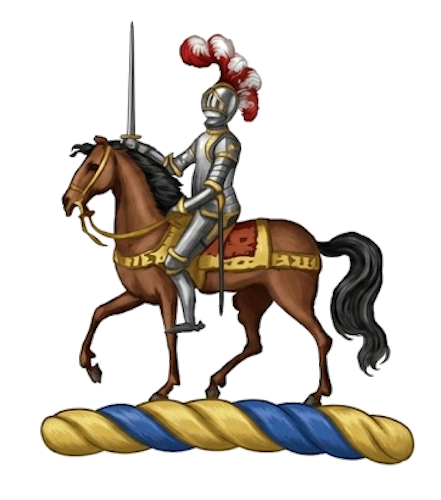
The following surnames are historically associated with this crest:
- Cock (England)
- Cocks (England)
- Flood (England)
- Godby (England)
- Osbaldeston (Oddington, Gloucestershire; Chadlington, Oxfordshire)
- Osboldeston (England)
Symbolism of the Crest
Chevalier (Knight) on Horseback: The image of the mounted knight is the quintessential symbol of chivalry, representing a warrior of high honor, adventure, and heroic endeavor. It often denotes an ancestor who held a command in the cavalry or performed a specific feat of horsemanship in battle. Horse: Signifies readiness for service to king or country, as well as speed, intellect, and spirit. Sword: Represents justice and military honor, indicating the bearer is a defender of the right and possesses the power to punish evil. Armour: Symbolizes protection and invulnerability against the arrows of fortune or the enemy.
General Symbolic Meaning
This crest represents the ultimate martial archetype—the protector and the warrior. It suggests a lineage known for its readiness to ride into conflict for a just cause. It implies not only physical strength and skill in arms but also the discipline required to master the horse, symbolizing the triumph of the will and intellect over base nature. It is a crest of action, leadership, and defense.