The crest on Plate 11, Image 10 (Pl. 11. cr. 10.) is described as a Savage’s (or Saracen’s, Moor’s, or Old Man’s) head affrontée (full-faced), typically couped at the shoulders or neck.
Surnames: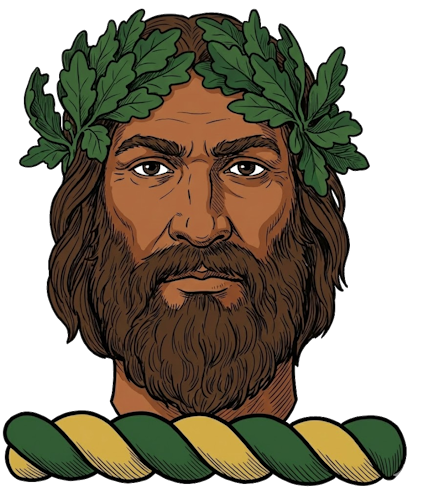
- Ashworth (England)
- Borthwick (Bombay)
- Briscoe (Ireland)
- Buller (Somersetshire)
- Buller (Cornwall)
- Creswell (Northamptonshire)
- Leverye (England)
- Macnab (Scotland)
- Maxwell (of Calderwood)
- Menzies (of that Ilk and Weymes)
- Rayley (England)
- Rochead (Innerleith, Scotland)
- Roughead (Innerleith, Scotland)
- Saint Lo (Chidiock, England)
- Stapylton (England)
Savage’s / Saracen’s / Moor’s Head: The head of a “savage” or Saracen, often depicted affrontée (facing forward), is a traditional heraldic symbol frequently associated with military prowess, particularly denoting ancestors who fought in the Crusades or engaged in significant combat. Affrontée: The full-faced position signifies a warrior who faces enemies directly without fear, representing courage, honesty, and a refusal to turn one’s back on danger. Couped / Erased: When the head is “couped” (cut cleanly) or “erased” (torn off), it emphasizes victory over a formidable opponent or the severing of ties to enemies.
This crest represents a lineage rooted in martial history and direct confrontation. The human head, particularly of a warrior or “wild man,” suggests raw strength, vitality, and the triumph of the bearer over adversity. It implies a family history of defending honor and territory with unflinching resolve.