The crest on Plate 11, Image 5 (Pl. 11. cr. 5.) is described as a cat (often a wildcat or mountain cat) in a sejant (sitting) position, often gardant (looking full-faced at the viewer). Some descriptions denote it specifically as a pole-cat or mountain cat.
Surnames: 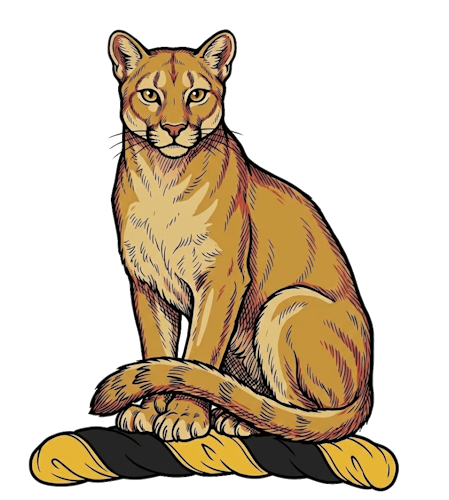
- Baillie (Rosehall)
- Bruzead (England)
- Burke (Ireland)
- Burke (Lord Naas, Ireland)
- Kyme (England)
- M’gilevray (Scotland)
- Mackintosh (Scotland)
- Mackpherson (Scotland)
- M’pherson (Inverasy, Bart)
- M’pherson (Clunie)
- M’pherson (Pitmean)
- Palmer (Scotland)
- Sutherland (Dyne, Scotland)
Symbolism of the Crest Cat / Wildcat: The cat is a widely recognized symbol of liberty, vigilance, and courage. In heraldry, particularly within Scottish Highland clans (such as Clan Chattan), the wildcat represents a fierce and untamable spirit, often accompanied by the motto “Touch not the cat but a glove.” Sejant: The term “sejant” refers to the animal in a sitting position, signifying patience, stability, and a composed readiness. Gardant: This indicates the head is turned to face the viewer, symbolizing watchfulness and a direct challenge to any who might approach with ill intent.
General Symbolic Meanings The image of the cat, particularly the mountain cat or wildcat, suggests a lineage characterized by independence and ferocity in defense of their honor and territory. It implies a family that may appear peaceful or composed (sitting) but possesses sharp agility and dangerous capability when provoked. It combines the virtues of stealth, keen observation, and an undying spirit of resistance against oppression.